
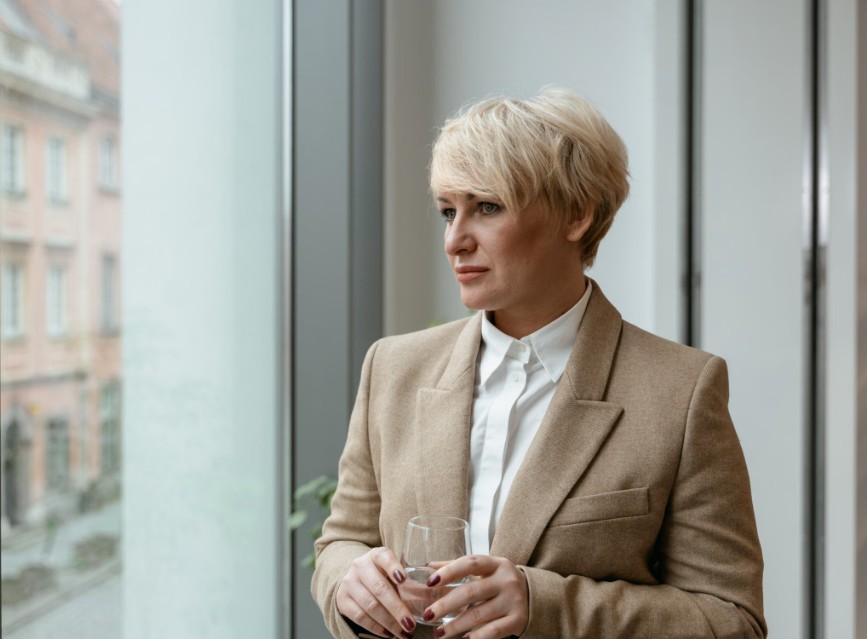
You’ve probably heard it countless times. “Stay positive.” “Everything happens for a reason.” “Just change your mindset.” For many people, these phrases are intended to be encouraging. But if you’re a successful woman navigating grief, burnout, divorce, illness, or another life-changing event, they can feel dismissive rather than empowering. The mindset myth and why just thinking positively fails high-achieving women.
Because deep down, you know something isn’t adding up. You’ve built a successful career. You’ve solved complex problems. You’ve led teams, raised families, supported others, and achieved goals many people only dream about. Yet suddenly, despite all your capabilities, you feel stuck and unfulfilled. And no amount of positive affirmations seems to change it. The truth is this:
Positive thinking isn’t the problem. It’s believing that positive thinking alone is enough.
Why High Achievers Struggle More Than People Realise
High achievers are often praised for being resilient. They’re the dependable ones. The problem-solvers. The women who keep everything moving. But beneath that success often lies an identity built around performance.
- Achievement becomes safety.
- Productivity becomes self-worth.
- Busyness becomes proof of value.
When adversity interrupts life, the strategies that once created success no longer work.
- Working harder doesn’t heal grief
- More productive doesn’t restore burnout
- Achieving another goal doesn’t replace a lost sense of identity
This is why accomplished women are often shocked by how emotionally difficult life’s major transitions become. You are not failing. You’re trying to solve an emotional challenge using the same mindset that solved professional ones.
The Problem With “Just Think Positive”
Positive thinking has its place. Optimism can improve resilience. Hope helps us persevere. Gratitude benefits mental well-being. Research consistently shows these practices can improve psychological health. But positivity becomes harmful when it’s used to avoid reality. Psychologists refer to this as toxic positivity, the pressure to maintain a positive outlook while suppressing genuine emotions. The mindset myth and why just thinking positively fails high-achieving women.
When we ignore pain instead of processing it, it doesn’t disappear. It simply finds another way to be heard. Through anxiety, exhaustion, overworking, emotional numbness and perfectionism. Many high-achieving women become experts at appearing fine while quietly carrying enormous emotional weight.
Your Nervous System Doesn’t Speak the Language of Motivation
One of the biggest misconceptions in personal development is that changing your thoughts automatically changes your emotions. Well, it doesn’t. Your nervous system responds to lived experience, not motivational quotes. If you’ve experienced prolonged stress, trauma, burnout, or profound loss, your brain is designed to protect you. It becomes more alert, cautious and more sensitive to uncertainty.
Even when your circumstances improve, your body may still behave as though danger remains. This is why you can genuinely believe everything will be okay and still feel anxious. Why you can know you’re capable yet continue doubting yourself?
Why confidence doesn’t return simply because you decide to “be positive”? Healing involves more than changing your thoughts. It involves helping your nervous system feel safe again.
Mindset Is Only One Piece of the Puzzle
Mindset matters. But it’s only one part of sustainable transformation. Real change happens when several elements begin working together.
These include: emotional healing, nervous system regulation, identity reconstruction, purpose and meaning, daily habits, supportive relationships, and a healthy environment. Think of it like building a beautiful home. You wouldn’t paint the walls before repairing the foundation. Yet many personal development programmes ask people to focus only on positive thoughts while ignoring the emotional foundation underneath. Eventually, the cracks begin to show.
The Hidden Cost of Constant Positivity
Many accomplished women feel guilty when they aren’t feeling positive. They believe they should have recovered by now. The honest truth is, there is no timeframe. They tell themselves, “I’m stronger than this.” “Other people have it worse.” “I should be grateful.” Instead of creating healing, these thoughts often create shame. Healing isn’t about pretending you’re okay. It’s about creating enough emotional safety to tell yourself the truth. Sometimes resilience looks less like pushing forward and more like pausing. Not quitting. Not giving up. Simply recovering.
A Better Question Than “How Can I Stay Positive?”
Rather than asking: “How do I think more positively?” Ask: “What is my mind and body trying to protect me from?” I think that question changes everything. Because beneath procrastination may be fear. Beneath perfectionism may be uncertainty. Beneath burnout may be years of unmet emotional needs. When we understand the message beneath the behaviour, change becomes compassionate instead of forceful.
This Is Where Your Second Season Begins
One of the greatest myths is the belief that adversity means starting over. It doesn’t. It invites you to rebuild differently. Your first season may have been built around achievement. Your second season can be built around alignment. Around holistic well-being instead of constant striving. Around purpose instead of proving. Around inner peace instead of external validation. That doesn’t mean ambition disappears. It means ambition finally serves your life rather than consumes it.
Final Thoughts
Positive thinking isn’t wrong. It’s simply incomplete. The women who thrive after adversity aren’t the ones who force themselves to smile through pain. They’re the ones willing to face reality with courage, compassion, and curiosity. They understand that lasting transformation isn’t about becoming someone new. It’s about returning to who they were before stress, loss, burnout, or life’s hardest moments convinced them they had to keep performing to be worthy.
That is the quiet work of The Second Season. It’s not becoming a different woman. But becoming the fullest expression of the woman who has been there all along. Share this blog with a friend or someone you think might benefit from reading this.
Enjoyed this article? Go ahead and share it with others:
Discover more...
Mindset
Nutrition
science
wellbeing
View all articles
Habit Hacks For High Performance
Sign up now to grab your free Habit Hacks guide & take your performance to the NEXT LEVEL!
Download your guide


Personal Well-Being Masterclass
Subscribe to the waiting list for my highly anticipated personal well-being masterclass.
Join the waitlist

Check out these FREE resources
Thank you!
You have successfully joined our newsletter list.
Eunice De Campi is a multi-passionate founder and creative dedicated to helping women rebuild their lives and businesses after adversity. Based in the UK, works internationally.
Copyright @ 2026 Eunice De Campi International
Terms | cookie policy | disclaimer | Privacy | brand & site by lhc
INTERCONNECTED
Sign up and get inspiration, practical tips, and exclusive resources delivered to your inbox every month.
Monthly Newsletter


