

Dive into a collection of insights, guidance, and inspiration written to support you on your transformation journey. These articles are here to spark new perspectives, empower your self-belief, and remind you: change is possible, and courage, clarity & joy are within reach.
Explore. Reflect.
Lean into your REINVENTION.
Aligned mindset & holistic well-being articles
Mindset
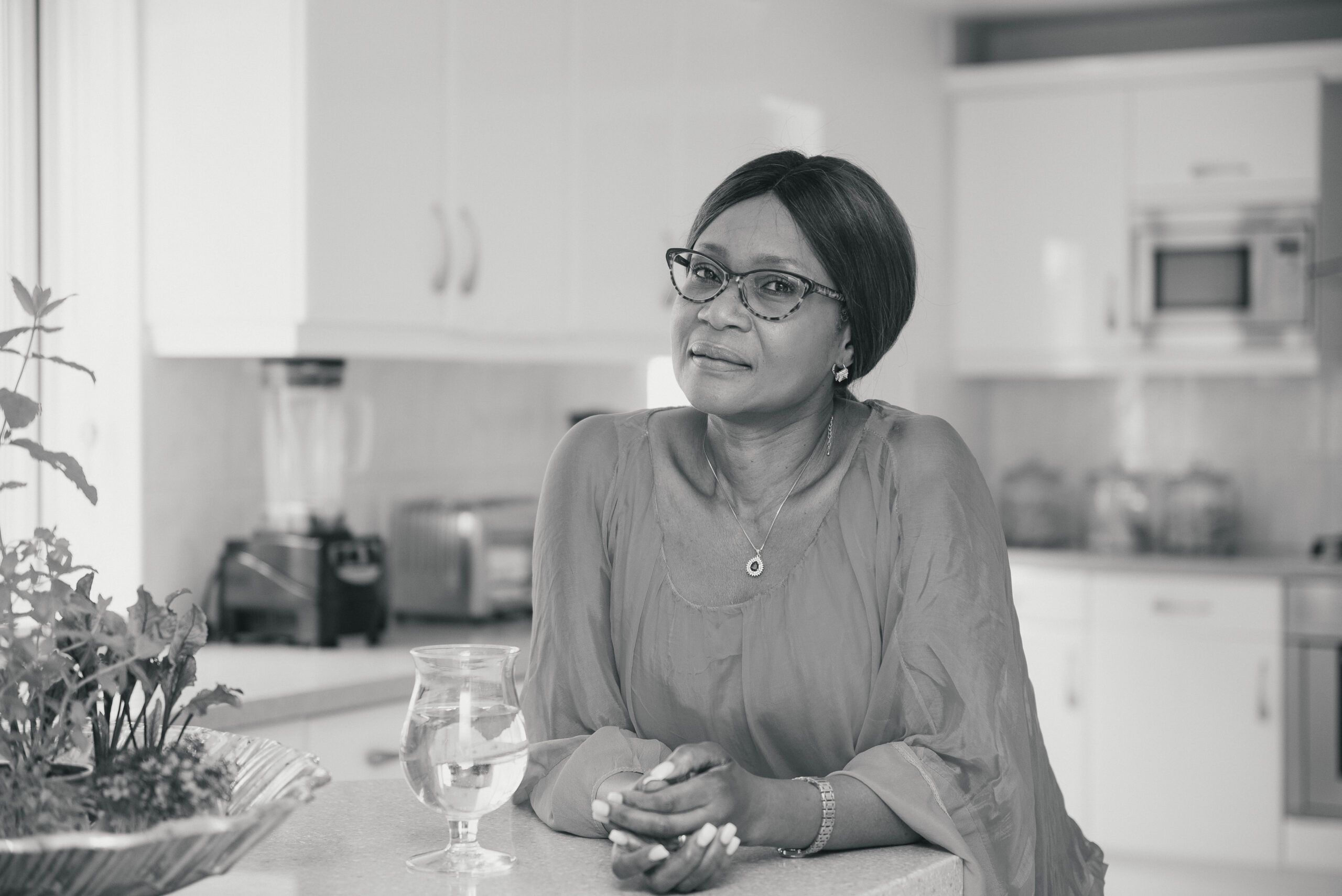
You did not ask for this season. How to rebuild your life after loss and unexpected change, even when you do not know what you are building yet.
The Uncharted Territory
Maybe you lost someone. Maybe a relationship ended. Maybe the career you built, the identity you wore, the future you had mapped out quietly or suddenly stopped being available to you. And now you are here, in a place you never planned to be, trying to figure out how to move forward when you cannot yet see where forward is.
This is one of the hardest places a person can find themselves. Not because something has gone catastrophically wrong, but because nothing in your old toolkit quite works here. The strategies that served you before, the plans, the timelines, the drive to just push through, they do not translate into this terrain.
So what does?
That is what this blog post is about. Not a five-step fix. Not toxic positivity dressed up as wisdom. Just honest, grounded things that actually help when you are moving through a life you did not plan. How to navigate unexpected life changes.
Understand the Ground You Are Standing On
Before you can navigate a transition, it helps to know what kind of terrain you are actually in. There is a phase, and most people who have been through significant change will recognise it, that sits between what was and what is coming. The old life has ended. The new one has not yet taken shape. You are in the middle, and the middle has no clear landmarks.
This phase is disorienting by design. It is supposed to unsettle you, because what is being asked of you here is not to perform or produce but to shed. Old identities, old assumptions, old versions of what you thought your life was supposed to look like. That shedding takes time, and it rarely feels graceful while it is happening. The first thing that helps is simply naming it. You are not failing. You are not falling apart. You are in transition. And transition, by its very nature, is uncomfortable. That discomfort is not a signal to panic, it is a signal that something real is happening.
Stop Waiting to Feel Ready
One of the most common things my clients say in the middle of a life transition is: I will start moving when I feel more ready. When the grief lifts a little. When I have more clarity. When things settle down. When I have a new job.
But here is the truth: readiness rarely arrives before movement. More often, it arrives because of it. You do not need to have it figured out before you take a step. How to navigate unexpected life changes. You do not need to know what you are building before you pick up the first piece. The clarity you are waiting for tends to come through small, honest, imperfect actions, not before.
This does not mean rushing. It means being willing to move, even slowly, even uncertainly, without waiting for a green light that may not come until you are already on your way.
Grieve What Needs to Be Grieved
Transitions involve loss. Even the ones that are ultimately leading you somewhere better. The relationship. The career. The version of yourself you thought you would be by now. The future you had already started to picture. These things deserve to be grieved properly, not quickly, not efficiently.
Skipping grief does not make you stronger or more resilient. It makes you someone who is carrying unprocessed loss into the next chapter, your second season, where it will eventually show up uninvited. Grief is not the opposite of moving forward. It is part of how you move forward. Let it have its place. Let it be as messy and nonlinear as it actually is. You are not behind because you are still feeling it.
Anchor Yourself in What Is Still True
When everything shifts, it is easy to feel like you have lost yourself entirely. But you have not. Underneath the circumstances, underneath the loss and the uncertainty, there are things that are still fundamentally you. A value you have always held. A way of showing up in the world that has not changed. Something that still brings you a small measure of peace or meaning, even in a hard season.
Find those things. Stay close to them. They are your anchor while everything else is still finding its shape. You are not starting from nothing; you are starting from everything you have already lived, learned and survived.
Let People In
I hope you’re still reading. We are not designed to navigate significant life transitions alone. We need people who understand not to fix us or hand us answers, but to witness what we are going through and remind us that we are not invisible in it.
This might be a trusted friend. A professional. A community of people who have walked something similar. Whatever form it takes, do not make the mistake of thinking that needing support is a weakness. It is one of the most honest and courageous things you can do in a hard season, and trust me, here I’ve been there. Isolation makes everything harder. A real, seen, supported connection makes the unbearable more bearable and the possible more visible.
Trust That You Are Being Shaped, Not Broken
Here is something I have come to believe deeply, from my own experience and from walking alongside others through theirs: the seasons we do not plan are often the ones that shape us most profoundly.
Not because suffering is automatically good. It is not. But when life strips away the structure we built around ourselves, what remains is more real. More true. And from that more honest place, something new becomes possible, something that could not have emerged from the comfortable, planned version of your life. You do not have to see what that is yet. You do not have to know what you are building. You just have to stay in the process honestly, patiently, and with the quiet trust that you are not being undone.
You are becoming.
You Do Not Have to Do This Alone
If you are in this season right now, navigating grief, rebuilding after loss, standing at a crossroads with no clear map, I want you to know that there is a space being created specifically for you.
My Second Season Programme is a group coaching programme for successful women moving through significant life transitions. It is a structured, supported space to process what you have been carrying, reconnect with who you truly are, and begin moving toward your second season/next chapter with clarity, confidence, and intention, surrounded by a community of women who genuinely understand.
Stay tuned. If something in you is saying this is the right time, trust that instinct. This second season was never planned. Be the first to know, join the waitlist. Your second season is not the end of your story. It is the beginning of the most honest chapter yet. It’s about navigating unexpected life changes.
Category:

You did not ask for this season.
Maybe you lost someone. Maybe a relationship ended. Maybe the career you built, the identity you wore, the future you had mapped out quietly or suddenly stopped being available to you. And now you are here, in a place you never planned to be, trying to figure out how to move forward when you cannot yet see where forward is.
This is one of the hardest places a person can find themselves. Not because something has gone catastrophically wrong, but because nothing in your old toolkit quite works here. How to navigate the life you did not plan, even when you do not know what you’re rebuilding yet.The strategies that served you before, the plans, the timelines, the drive to just push through, they do not translate into this terrain.
So what does?
That is what this post is about. Not a five-step fix. Not toxic positivity dressed up as wisdom. Just honest, grounded things that actually help when you are moving through a life you did not plan.
Understand the Ground You Are Standing On
Before you can navigate a transition, it helps to know what kind of terrain you are actually in.
There is a phase, and most people who have been through significant change will recognise it, that sits between what was and what is coming. The old life has ended. The new one has not yet taken shape. You are in the middle, and the middle has no clear landmarks.
This phase is disorienting by design. It is supposed to unsettle you, because what is being asked of you here is not to perform or produce but to shed. Old identities, old assumptions, old versions of what you thought your life was supposed to look like. That shedding takes time, and it rarely feels graceful while it is happening.
The first thing that helps is simply naming it. You are not failing. You are not falling apart. You are in transition. And transition, by its very nature, is uncomfortable. That discomfort is not a signal to panic it is a signal that something real is happening.
Stop Waiting to Feel Ready
One of the most common things my clients say in the middle of a life transition is: I will start moving when I feel more ready. When the grief lifts a little. When I have more clarity. When things settle down.
But here is the truth: readiness rarely arrives before movement. More often, it arrives because of it.
You do not need to have it figured out before you take a step. You do not need to know what you are building before you pick up the first piece. The clarity you are waiting for tends to come through small, honest, imperfect actions, not before.
This does not mean rushing. It means being willing to move, even slowly, even uncertainly, without waiting for a green light that may not come until you are already on your way.
Grieve What Needs to Be Grieved
Transitions involve loss. Even the ones that are ultimately leading you somewhere better.
The relationship. The career. The version of yourself you thought you would be by now. The future you had already started to picture. These things deserve to be grieved properly, not quickly, not efficiently.
Skipping grief does not make you stronger or more resilient. It makes you someone who is carrying unprocessed loss into the next chapter, where it will eventually show up uninvited.
Grief is not the opposite of moving forward. It is part of how you move forward. Let it have its place. Let it be as messy and nonlinear as it actually is. You are not behind because you are still feeling it.
Anchor Yourself in What Is Still True
When everything shifts, it is easy to feel like you have lost yourself entirely. But you have not. Underneath the circumstances, underneath the loss and the uncertainty, there are things that are still fundamentally you.
A value you have always held. A way of showing up in the world that has not changed. Something that still brings you a small measure of peace or meaning, even in a hard season.
Find those things. Stay close to them. They are your anchor while everything else is still finding its shape. You are not starting from nothing; you are starting from everything you have already lived, learned and survived.
Let People In
We are not designed to navigate significant life transitions alone. We need people who understand not to fix us or hand us answers, but to witness what we are going through and remind us that we are not invisible in it.
This might be a trusted friend. A therapist. A community of people who have walked something similar. Whatever form it takes, do not make the mistake of thinking that needing support is a weakness. It is one of the most honest and courageous things you can do in a hard season.
Isolation makes everything harder. A real, seen, supported connection makes the unbearable more bearable and the possible more visible.
Trust That You Are Being Shaped, Not Broken
Here is something I have come to believe deeply, from my own experience and from walking alongside others through theirs: the seasons we do not plan are often the ones that shape us most profoundly.
Not because suffering is automatically good. It is not. But when life strips away the structure we built around ourselves, what remains is more real. More true. And from that more honest place, something new becomes possible, something that could not have emerged from the comfortable, planned version of your life.
You do not have to see what that is yet. You do not have to know what you are building. You just have to stay in the process honestly, patiently, and with the quiet trust that you are not being undone.
You are becoming.
You Do Not Have to Do This Alone
If you are in this season right now, navigating grief, rebuilding after loss, standing at a crossroads with no clear map, I want you to know that there is a space being created specifically for you.
The Second Season Programme is a group coaching programme for women moving through significant life transitions. It is a structured, supported space to process what you have been carrying, reconnect with who you truly are, and begin moving toward your next chapter with clarity and intention, surrounded by a community of women who genuinely understand.
The doors are opening soon. If something in you is saying this is the right time, trust that instinct. You can find out more and register your interest here.
Your second season is not the end of your story. It is the beginning of the most honest chapter yet.
Category:
Sometimes a well-planned life can lead you somewhere you never expected to go. Life can throw curveballs, and these sudden critical events can turn our personal and work lives upside down in an instant. Understanding how these surprises affect our feelings, drives and actions is important. An unexpected outcome in life.
You did everything right.
You studied hard, made sensible choices, built a stable career, and stayed on track. You followed the plan, maybe your own plan, maybe one you quietly inherited from the expectations around you. Either way, you showed up, you worked hard, and you kept going.
And then one day, you looked up from all that doing and realised this is not where you thought you would end up. An unexpected outcome in life.
Not in a dramatic, everything-fell-apart way. Just in a quiet, unsettling way. Like walking into a room and forgetting why you came in, only the room is your life.
That moment can stop you completely.
The Plan Was Real. So Is This.
Here is something important to say first: the plan was not wrong. The years of effort were not wasted. The choices that brought you here were real, and they mattered. You were not foolish for following them.
But life has a way of moving underneath us while we are busy executing our strategy. Priorities shift. People change. Losses happen. What once lit us up quietly fades. And sometimes the very structure we built to protect ourselves becomes the thing that is keeping us small.
A well-planned life can deliver everything it promised: security, stability, a certain kind of success and still leave you with a feeling that something essential is missing. That is not ingratitude. That is honesty.
The Unexpected Outcome Is Not the Problem
We are conditioned to see unexpected outcomes as failures. Detours. Evidence that something went wrong.
But what if the unexpected outcome is not a breakdown, but a breakthrough, trying to get your attention?
Think about the people who discovered their true calling only after losing a job they thought they could not live without. Or the ones who found genuine peace only after a relationship they had planned their whole life around came to a sudden end. Or those who stepped into the most meaningful work of their lives precisely because the original plan stopped working.
The unexpected outcome is rarely the end of the story. More often, it is the beginning of the more honest one.
You Already Have the Answer
Here is what I know from working with people through life’s most disorienting crossroads, including mine: the confusion you feel in the face of an unexpected outcome is not a sign that you are lost. It is a sign that you are paying attention.
Something in you already knows that this moment is significant. Something in you is asking a question you have been afraid to answer.
What do I actually want?
That question can feel dangerous when you have spent years building a life around a different answer. But it is also the most important question you will ever ask yourself, and you are the only one who can answer it.
No coach, no mentor, no perfectly curated plan can tell you what your life is supposed to mean. That knowledge lives in you. It always has. Sometimes it just takes an unexpected outcome to create enough space for you to hear it.
What to Do When You Are Here
If you are standing in the middle of an unexpected outcome right now, here are a few things worth sitting with.
Give yourself permission to be unsettled. You do not need to immediately reframe this into something positive. It is okay to feel disoriented. The disorientation is part of the process, not a problem to fix.
Resist the urge to rebuild the old plan immediately. The instinct when things feel uncertain is to rush back to the familiar. But this moment is inviting you to pause before you do. What you rebuild next deserves to come from a more honest place than urgency.
Ask what this has revealed, not just what it has taken. Unexpected outcomes always carry information. They show you what you were holding onto too tightly. They show you what you actually value when the structure falls away. They show you who you are underneath the plan.
Trust that you are more capable of navigating this than it feels like you are right now. You have already moved through difficult things. You have already adapted, recovered, and rebuilt. This is not the first time life has surprised you, and you have not yet failed to find your way through.
The Life That Wants to Emerge
A well-planned life is not the same as a fully lived one. The plan is a map, useful and necessary, but the territory of your actual life is always bigger, messier, and more interesting than any map can capture.
When an unexpected outcome arrives, it is an invitation to stop looking at the map and start looking at the ground beneath your feet. To ask not just where you were trying to go, but where you actually are and what might be possible from here.
You do not need a new plan right away. You need presence. Honesty. A willingness to stay with the question a little longer than is comfortable.
Because the life that wants to emerge from this moment is not something that needs to be forced or figured out all at once. It needs to be allowed. And that begins with trusting that you are not the plan, not the outcomes, not the external markers of success; you are the one who holds the answer.
You always were.
Category:

It’s not the initial shock, not the visible grief, nor even the rebuilding. It’s the space in between. The moment where everything has happened, but nothing makes sense. This is the stage of adversity no one talks about, and why you feel stuck, lost and unable to think clearly. This is the moment in adversity that no one prepares you for. The void phase: why you feel stuck, lost, and unable to think clearly.
The Void Phase
This is where your mind refuses to compute what your life has become. Where clarity disappears. Where your thoughts feel heavy, slow, or simply absent. You try to think, plan, or even imagine a future, but your brain won’t cooperate. This isn’t failure. This is your nervous system protecting you. The void phase is why you feel stuck, lost, and unable to think clearly.
In The Void, your brain is overwhelmed. It downregulates to survive. What feels like “being stuck” is often cognitive shutdown, a response to emotional overload. And here’s the truth most people miss: You are not meant to figure your life out at this stage, just go with the flow. The void phase can be confusing, which is why you feel stuck, lost, and unable to think clearly.
You are meant to stabilise, but how do you move forward when you can’t think clearly? Don’t leap. You anchor.
This is how you can start:
1. Reduce the pressure to understand everything.
Clarity will come later. For now, focus on what is manageable today.
2. Return to the body.
When the mind is foggy, the body becomes your compass. Gentle movement, breathwork, or even sitting in stillness helps regulate your system.
3. Simplify decisions.
This is not the season for big life choices. Protect your energy by minimising the decisions you have to make.
4. Create micro-structure.
Small, predictable routines rebuild safety. Think: wake, eat, walk, rest and repeat.
5. Borrow belief.
If you cannot see your future, trust that your current state is temporary. This void phase is a bridge, not a destination.
You don’t have to make sense of everything on your own.
If you’re finding yourself in this ‘in-between’ space and craving gentle guidance, Second Season, my programme launching soon, is a journey created for moments exactly like this, where healing comes before clarity, and small steps matter more than big leaps.
The Void Phase is uncomfortable because it feels like nothing is happening. But something is. You are recalibrating. Processing. You are quietly preparing for the next version of your life.
Even if you can’t see it yet.
Stay tuned so you can explore it when you’re ready. In the meantime, you can explore other ways we can work together here
Category:

Shifting your mindset for abundance is the inner work that changes everything. There comes a moment, quiet, almost unnoticeable, when you realise your life is no longer limited by circumstances, but by your thinking. Not your talent, your experience or even your past. It’s your mindset. Because abundance isn’t something you chase. It’s something you allow.
Shifting Your Mindset For Abundance Isn’t External, It’s Internal
Most high-achieving women don’t struggle with effort. They struggle with permission. Permission to want more, to receive more and permission to live beyond survival mode. You can have the strategy, the plan, the network and still feel stuck. Why? Because if your internal world is wired for scarcity, you will unconsciously reject abundance even when it’s right in front of you.
Scarcity sounds like:
- I have to work harder to deserve more.
- There’s not enough space for me.
- If I slow down, everything will fall apart.
Abundance sounds like:
- Opportunities expand as I do.
- There is space for me at every level.
- I create results from alignment, not exhaustion.
This is not about positive thinking. This is about identity recalibration.
The Hidden Cost of a Scarcity Mindset
Scarcity is subtle and dangerously convincing. It dresses itself as responsibility, logic, even humility. But underneath it? It’s fear. Fear of loss, of judgment. Fear of not being enough, even when you’ve achieved everything on paper.
And here’s the hard truth: Scarcity keeps you overworking, overgiving, and under-receiving. It creates a life that looks successful but feels heavy. So if you’ve been doing all the “right” things but still feel like something is missing, it’s not a strategy problem. It’s a mindset ceiling.
Abundance Requires Expansion, Not Addition
Most people try to “add” abundance into their lives. More clients, more income and more opportunities. But abundance doesn’t come from adding more. It comes from becoming more available for what already exists.
Think of it like this: If your nervous system is only comfortable receiving at a certain level, anything beyond that will feel unsafe, even if it’s what you say you want. So you delay. You overthink. You self-sabotage subtly. Not because you’re broken, but because your system hasn’t caught up with your vision.
How to Shift Your Mindset for Abundance
This is where the real work begins, not on the outside, but within.
1. Upgrade Your Identity
Stop asking, How do I get more? Instead, ask, Who do I need to become to hold more? Abundance is an identity, not an outcome. The woman who operates in abundance:
- Makes decisions from trust, not fear
- Sets boundaries without guilt
- Receives without over-explaining her worth
You don’t wait to become HER. You practice being her now.
2. Build Evidence for Expansion
Your brain believes what it sees repeatedly. So instead of waiting for massive breakthroughs, start collecting small evidence daily:
- Moments where things worked in your favour
- Unexpected opportunities
- Support you didn’t have to fight for
This trains your mind to recognise abundance rather than filter it out.
3. Redefine Effort and Worth
One of the biggest mindset traps? Believing that abundance must be earned through struggle. But what if ease is not laziness but alignment? What if the next level of your life requires less force and more flow? This doesn’t mean doing nothing. It means doing what matters, without burning yourself out to prove your value.
4. Expand Your Receiving Capacity
This is where most people unconsciously block abundance.
Ask yourself honestly:
- Do I deflect compliments?
- Do I undercharge or overdeliver?
- Do I feel uncomfortable when things feel “too good”?
Receiving is a skill. Start small: Say thank you without justification. Accept support without guilt. Let things be easy without questioning them. This is how you rewire your relationship with abundance.
5. Surround Yourself with Expansion
Your environment either reinforces scarcity or normalises abundance. If you are constantly surrounded by people who:
- Play small
- Fear growth
- Question ambition
You will shrink without realising it. But when you’re in rooms where expansion is normal? You rise. Not because you’re trying harder, but because your standards have shifted.
The Real Shift: From Control to Trust
At its core, shifting your mindset for abundance is not about control. It’s about trust.
Trust that:
- You are capable of holding more
- You are allowed to want more
- You don’t have to prove your worth through exhaustion
And most importantly? Trust that abundance is not something you have to chase endlessly. It’s something you align with again and again.
Your Next /Second Season Requires a New Mindset
You’re not who you were five years ago. Your capacity has grown, your vision has evolved. Your standards are higher. So the question is no longer: Can I create abundance? The question now is: Am I willing to think, or choose, and show up differently to sustain it? Because of the life you want, it’s not waiting for you to work harder. It’s waiting for you to expand.
Abundance is not reserved for the lucky, the loud, or the already successful. It belongs to the woman who decides internally that she is no longer available to be limited.
And on that decision?
That’s where everything begins. This is at the heart of the work I do through my 1:1 coaching sessions. I help high-achieving women intentionally rebuild and redesign sustainable strategies for their lives and businesses, and also redesign homes to support the season they are in after adversity. You can explore the best option for you on how we can work together.
Category:

There comes a moment in life when everything that you built your identity around shifts. Not gradually. Not politely, but all at once. A loss. A burnout or unexpected health challnge. A life event you never saw coming, and suddenly the question isn’t What do I want next? Instead, it becomes: Who am I now? This is the space that requires you to redefine your purpose after a major life change.
The Myth of “Finding” Your Purpose
Purpose is not something you “find” like a missing object. It’s something you redefine. Most high-achieving women have spent years building a life that made sense on paper. Career. Relationships. Identity. Structure. These major life changes disrupt the structure you’ve built. And here’s the uncomfortable truth. What once gave your life meaning may no longer fit who you are becoming. That’s not failure. That’s evolution.
When Life Breaks the Old Identity
After a major life change, there is often an invisible identity collapse. You’re no longer:
- The partner you were
- The version of you that thrived in that career
- The person who once handled everything with ease
And yet, you’re not fully the “new you” either. This creates a tension that most people try to rush out of. And here’s a perspective shift: This space is not empty. It’s creative. It’s where your next level of purpose is being formed quietly, beneath the surface.
Redefining Purpose Requires Letting Go First
This is where many people get stuck. They try to redefine their purpose while still holding onto their old identity. That’s like trying to redecorate a room that’s already full. And at some point, you have to ask:
- What version of me am I still trying to hold onto?
- What expectations no longer feel aligned?
- What am I afraid to release?
I would like to think that your purpose isn’t built on what’s familiar. It’s built on what’s true now.
The Shift: From Achievement to Alignment
Before any major life change, your purpose is often driven by:
- Achievement
- External validation
- Productivity
- Proving something
After a major life change, everything recalibrates. Purpose becomes less about doing more and more and more about being aligned.
Aligned with:
- Your energy
- Your values
- Your emotional truth
- Your capacity
And that’s where things get clearer; alignment often asks you to slow down while the world tells you to speed up.
A More Honest Way to Rebuild Your Purpose
Redefining your purpose isn’t about having a grand vision immediately; it starts smaller than that.
1. Notice What Still Feels Meaningful
Even in the hardest seasons, there are small things that feel grounding. Conversations. Creativity. Helping others. Quiet moments. That’s data. Your purpose leaves clues.
2. Pay Attention to What You No Longer Tolerate
Your standards change after life changes.
What once felt acceptable now feels draining. That’s not you being “difficult.”
That’s you becoming more discerning.
3. At the Start, Let Purpose Be Fluid
Here’s a thought that might challenge you:
What if your next purpose isn’t permanent? What if it’s a season? Taking the pressure off allows something more authentic to emerge.
4. Build From Lived Experience
The most powerful purpose is not theoretical. It’s lived. When you’ve walked through grief, burnout, health challenge and divorce, rebuilding becomes the foundation for impact. Not because it was easy. But because it was real.
The Quiet Rebuilding
Redefining your purpose can feel: Slow. Uncertain. Uncomfortable. Lonely at times
There’s no applause in this phase. No clear milestones, just small, internal shifts that eventually change everything. This is where depth is built. And depth creates unshakable purpose. This is at the heart of the work I now share through my 1:1 coaching sessions. I guide high-achieving women to intentionally rebuild and redesign sustainable strategies for their lives and businesses, and also redesign homes to support the season they are in following adversity. You can explore the best option for how we can work together.
A Different Kind of Success
If you’re in this season, maybe success is no longer about how much you can carry; it’s about how aligned your life feels when you wake up each day. Maybe purpose is no longer about proving your worth. It’s about expressing who you’ve become.
The Truth Most People Won’t Say
You won’t go back to who you were. And trying to will only delay what’s waiting for you. There’s an opportunity: You get to consciously choose who you become next. Not by default. Not by expectation. It’s by designing your new life. I call this well-being by design.
Redefining your purpose after major life changes isn’t about “starting over.” It’s about starting from experience. From depth. The truth. From a version of you that now sees life differently.
And that?
Is not a setback.
That’s an advantage.
Category:

Self-inquiry, the practice of asking yourself questions that unlock your own inner knowing, is a skill anyone can develop. It’s a tool for anyone willing to get quiet enough to hear themselves. This guide isn’t here to give you answers. It’s here to give you questions. Because you are the only person who truly knows what’s right for you.
How to Practice Self-Inquiry
Self-inquiry isn’t just thinking really hard about something. It’s a deliberate practice with a process:
1. Create space. Find a quiet place where you won’t be interrupted. Turn off notifications. This isn’t multitasking work.
2. Choose your question. Start with one question from the categories above. Write it down.
3. Write, don’t just think. Something magical happens when you move thoughts from your head to paper. Write your responses by hand if possible. In my darkest moments, I found healing in writing.
4. Allow silence. Don’t rush to answer. Sit with the question. Let it breathe. Sometimes the deepest answers take a few minutes to surface.
5. Notice without judgment. Whatever arises, even if you don’t know, it’s valid. Don’t critique or edit as you write.
6. Follow the thread. If something interesting emerges, ask a follow-up question. Let curiosity guide you deeper.
7. Return regularly. Self-inquiry isn’t a one-time event. Make it a practice, even five minutes daily, to create profound shifts over time.
Common Pitfalls to Avoid
As you develop this practice, watch for these traps:
Seeking the “right” answer. There’s no single correct answer, only your answer. Trust what emerges.
Giving up too quickly. If nothing comes immediately, that’s normal. Keep sitting with the question. Answers don’t always rush.
Intellectualising emotions. Self-inquiry includes feeling, not just thinking. Let emotion inform your knowing.
Forgetting to listen. Asking the question is only half the practice. The other half is genuine, patient listening.
When Self-Inquiry Reveals Uncomfortable Truths
Sometimes, self-inquiry leads us to an answer we don’t want to hear. Maybe you realise you need to leave a relationship, change careers, or admit you’ve been wrong about something important.
This discomfort is actually a sign you’re onto something real.
Remember:
- Knowing doesn’t require immediate action. You can sit with uncomfortable truths before deciding what to do with them.
- Discomfort often signals growth. If it feels scary, you’re probably touching something that matters.
- You don’t have to do this alone. Sometimes insights need processing with a trusted friend or coach.
- Timing is part of wisdom. Just because you know something now doesn’t mean you must act on it immediately.
Trust yourself to handle what you discover. You wouldn’t have the insight if you weren’t ready for it.
Making Self-Inquiry a Practice, Not an Event
The real power of self-inquiry emerges when it becomes a regular practice, not something you do only in crisis.
Start small. Five to ten minutes daily is more powerful than one hour monthly.
Keep a dedicated journal. Having a single place for self-inquiry creates continuity and helps you see patterns over time.
Revisit questions. Ask yourself the same question at different points in your life. Notice how your answers evolve.
Celebrate insights. Even small revelations matter. Acknowledge them.
Be patient. Like any skill, self-inquiry deepens with practice. You’ll get better at hearing yourself.
The Answers Were Always Yours
Self-inquiry doesn’t create wisdom. It reveals the wisdom that was already there, waiting for you to ask the right questions.
You are the expert on your own life. Not because you have everything figured out, but because you’re the only one living it. No one else has access to the full truth of your experience, your body’s signals, your values, or your deepest knowing.
The questions in this guide are tools to help you access what you already know and haven’t yet heard. Use them with curiosity, patience, and trust in yourself. Your answers are waiting, just ask.
I’m writing this blog as we enter the Lunar New Year of the Fire Horse, a time of self-discovery, clarity, and direction. If you’re looking for transformation, this is your invitation to act and rise this year. In my 1:1 coaching sessions, I guide women in designing sustainable strategies for their lives and businesses following adversity.
Category:

True well-being isn’t about forcing constant happiness, it’s about cultivating optimism that helps you stay grounded through life’s changes. When you approach your mind, body, spirit, and environment with curiosity and care, you create balance from within.
Optimism isn’t the same as ignoring life’s difficulties. It’s the gentle strength that says, “I can handle this, and I trust something good will grow from it.” It’s hope in motion, an energy that opens your heart, clears your mind, and reconnects you with purpose.
This practice of optimism can transform your holistic well-being when you nurture it intentionally. Here’s a simple four-part journey that helped me to realign my energy and renew my perspective and I hope this practice will help you too.
The Power of Perspective
Reframe your thoughts, reset your reality.
Your mindset sets the tone for your entire day. Notice when your thoughts spiral into self-doubt or worry, and gently guide them toward kindness. Ask yourself: “What else could be true?” or “What’s this teaching me?”
When you choose to view challenges as lessons, you shift from resistance to growth. This simple reframing creates more peace, resilience, and clarity the true foundation of optimism.
Emotional Energy
Turn stress into strength.
Emotions are energy in motion. Instead of suppressing how you feel, allow those feelings to flow through you. Cry, write, rest, or breathe, whatever helps you release tension. When emotions are acknowledged rather than avoided, they transform. You begin to feel lighter, clearer, and more connected to your inner calm. This emotional honesty is what allows optimism to take root.
Mindful Movement
Move with joy, not judgment.
Your body holds your story; your stress, your strength, and your healing. Move to reconnect with yourself, not to fix yourself. Whether you stretch in the morning sun, dance in your kitchen, or take a mindful walk, each movement reminds your body that it’s safe to feel alive.
Joyful movement is a physical form of gratitude, a celebration of energy and presence.
Optimistic Environments
Surround yourself with what lifts you.
Our environment shapes our emotions and energy. Create a space that reflect peace and possibilities. You can light a candle, clear clutter, add plants or art that inspire calm. Ambient music enhances your mood and changes the feel of any environment.
The space around you becomes the space within you. When your environment feels balanced, it becomes easier to stay optimistic and aligned.
Your Invitation to Choose Optimism
Optimism is not naive, it’s healing. It’s the quiet courage to stay open to life, to trust your path, and to nurture peace from the inside out. You can start your transformational journey here.
By tending to your thoughts, emotions, body, and surroundings, you create a life that feels not just balanced but aligned and beautifully fulfilling. Holistic well-being is about wholeness and the interconnectedness of mind, body, spirit and your environment . Let this time be your season, your soft reminder to realign and reset.
Category:

Well-being is often spoken about as something we can achieve through routines, diet, or success. Yet, the deeper meaning of holistic well-being goes beyond what we do, it is a state of being, a quiet harmony within ourselves. Unlike passive happiness, true well-being is an active process that requires conscious effort and resilience. Well-being is built through small, intentional choices and engagements in meaningful pursuits. True well-being is a lifestyle.
Well-being is Presence
True well-being isn’t about having the perfect morning routine or a flawless lifestyle. It begins with presence. When you’re fully present, you’re no longer chasing the future or replaying the past. You’re here, in this moment, aware of your breath, your body, and your surroundings. Presence allows you to experience life as it is, not as you fear or expect it to be. It’s in presence that peace begins. Presence is a practice, a gift we give ourselves and others.
Well-being is Stillness
In a world that constantly pushes us to do more, stillness feels rebellious. Yet stillness is the gateway to clarity. It’s where your nervous system resets, where the noise of “shoulds” fades, and your inner voice rises. Well-being is not about filling every moment, it’s about creating space for nothingness. In stillness, you rediscover yourself, and that quiet strengthens you for life’s challenges.
Well-being is Posture
Your body tells your story. The way you sit, stand, and breathe reflects your inner state. A slouched posture can signal defeat, exhaustion, or disconnection. An open, lifted posture communicates self-respect and vitality. This isn’t about perfection, but awareness. When you align your body, you align your energy. Posture becomes a practice of grounding, a physical reminder that you are strong, capable, and present.
Well-being is Vulnerability
At its core, well-being is about wholeness and not perfection. Vulnerability is the courage to be seen, to share your truth, to admit when you’re struggling. It’s in vulnerability that connection grows and healing happens. Pretending to have it all together may look strong, but true strength comes from honesty. Vulnerability is not weakness, it’s the birthplace of belonging, freedom, and authentic well-being on your own terms.
Conclusion
Well-being is not a checklist or a trend. It’s a deeper way of living, one rooted in presence, stillness, posture, and vulnerability. When we embody these, we don’t just feel well, we live well always. Remember well-being is not a finish line, it’s the way we move through life. If this reflection spoke to you, today I invite you to pause a little longer and carry these thoughts into your day . Or for a deep dive I invite you to explore my signature offering for an experience that will transform your life.
What do you do to make yourself feel good?
Category:
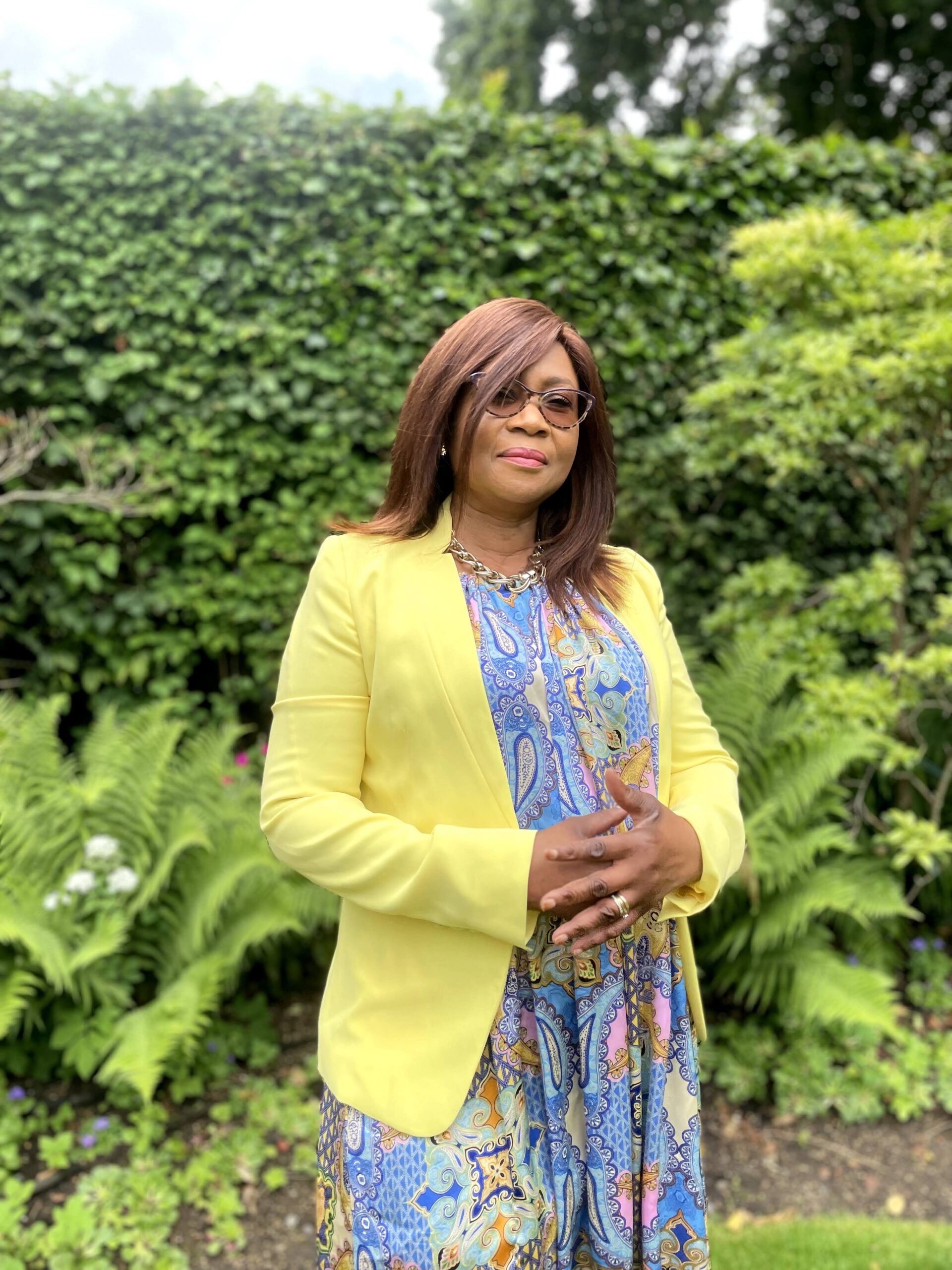
The journey to jellbeing, where ancient wisdom meets modern science. There’s a quiet revolution happening. More of us are turning inward. Slowing down. Listening deeply. We’re no longer chasing well-being like a finish line anymore; we’re learning to live it. And maybe, just maybe, the old sages knew something science is now confirming.
The Science of Stillness
The science of stillness is the secret. Seneca, the Stoic philosopher, was renowned for his inner calm and believed that well-being had nothing to do with external luxuries. We are seeing this today in society. As a designer, I worked with some wealthy clients, but while they enjoyed their material advantages, some of them faced unique challenges that impacted their well-being. Back to Seneca, for him, it was a matter of spiritual clarity. As he wrote, “It is not that we have a short time to live, but that we waste much of it.” He saw time, presence, and peace of mind as the ultimate wealth. I’m not sure if the modern materialistic society would agree with him here. The journey to well-being.
The Science Of Slow and the journey to well-being
Now, Neuroscience echoes Seneca’s quiet wisdom. According to research, only ten minutes of focused breathing per day can significantly reduce cortisol levels in high-achieving individuals, especially those experiencing burnout. Another study linked regular reflection (journaling and inner dialogue) with greater emotional resilience for long-term well-being.
It’s not just about what we do—it’s how and why we do it.
Science now confirms what ancient wisdom has long held to be true. Slowing down helps us think more clearly, feel more deeply, and connect better with others and with ourselves.
My Grief an Unexpected Guide
I didn’t choose this path, I was thrown onto it.
After losing my husband unexpectedly, everything I thought I knew about life, success, and even well-being was shattered. But in the silence of that sorrow, I heard something ancient. Not a scream. Not a solution. A whisper:
“Come back to yourself.” At that moment, I felt stillness.
The Grief stripped me bare. It taught me presence, not through meditation, but through mourning. It forced me to listen to my body, honour my emotions, and redefine what strength really means. I have become wiser through this hardship. Science agrees that post-traumatic growth is REAL. But only if we walk through it AWAKE. The journey to well-being.
Grief deepened my true well-being. And now I walk beside others who are ready to rise from their own ashes.
The Dance Between Adversity and joy
The dance between adversity and joy. Premeditatio malorum is a Stoic practice of mentally preparing for potential adverse events such as setbacks, losses and difficulties, allowing us to mentally rehearse how to cope with these events and build resilience. Today’s scientists refer to this practice as stress inoculation. It’s the same idea but not many practice this. When we meet our challenges mindfully, we create inner strength. Pain doesn’t disappear, but we learn to hold it with grace.
The Dance Between Adversity and Joy captures something profound about how these seemingly opposite experiences interweave throughout our lives. It’s a complex choreography. Adversity often deepens our capacity for pleasure. The person who has known real hardship frequently experiences gratitude and delight more intensely than someone who has lived an easier life.
Difficulty makes us more attuned to beauty, connection, and simple pleasures we might otherwise take for granted. Joy, meanwhile, can provide the resilience we need to face adversity. Those moments of connection, wonder, or contentment become anchors we can return to during difficult times. They remind us that life contains multitudes, that our current struggle is not the whole story.
Timing and Rhythm the journey to well-being
Sometimes, adversity and joy alternate in clear sequences, periods of challenge followed by relief and celebration. When my husband passed away, it was only a couple of weeks before my son’s eighteenth birthday. At other times, timing and rythym coexist, as when finding moments of laughter amidst grief or feeling deep gratitude even while going through hardship.
What’s intriguing is that they can transform each other. Adversity can crack us open in ways that allow for more profound joy, while joy can give us the courage to face challenges we might otherwise avoid. Neither erases the other, but each can change how we experience and integrate the other.
The dance suggests that rather than trying to maximise joy and minimise adversity, there might be wisdom in learning to move fluidly between them, to see adversity as training for the soul and finding meaning.
So, What does the journey to Wellbeing Journey Look Like?
It’s not a straight line. It’s a spiral. One can revisit the same lessons repeatedly, gaining a deeper understanding each time.
Here’s a gentle path forward:
- Breathe before you begin.
One minute of stillness can change the tone of an entire day. - Question your pace.
Who are you rushing for? Slow is sacred. - Feel your feelings.
Don’t bypass them. They’re sacred messengers. - Seek beauty in adversity.
Ask: What is this moment teaching me about myself? - Design a life, not just a lifestyle. And don’t let the outside noise define your inside truth.
We suffer more in imagination than in reality. ~ Seneca
Ready to Turn Adversity into Abundance?
Your path to wellbeing begins with one bold choice, to come home to yourself.
You’re reading this because you’re a high-achieving woman craving more calm, clarity, purpose, and joy. Let’s walk this Wellbeing journey together. Contact me today for your personalised programme.
Category:
Habit Hacks For High Performance
Sign up now to grab your free Habit Hacks guide & take your performance to the NEXT LEVEL!
Download your guide


Personal Well-Being Masterclass
Subscribe to the waiting list for my highly anticipated personal well-being masterclass.
Join the waitlist


