

Dive into a collection of insights, guidance, and inspiration written to support you on your transformation journey. These articles are here to spark new perspectives, empower your self-belief, and remind you: change is possible, and courage, clarity & joy are within reach.
Explore. Reflect.
Lean into your REINVENTION.
Aligned mindset & holistic well-being articles
All Posts

Resilience has become one of the most overused words of our time. It’s often reduced to “just keep going” or “stay positive.” But real resilience, the kind that actually sustains a life, a business, and a sense of self, is far more nuanced. Resilience is not about bouncing back to who you were. It’s about learning how to rebuild differently.
Resilience Is a Practice, Not a Personality Trait
Contrary to popular belief, resilient people aren’t born tougher; they’ve simply learned to respond to challenges with intention rather than reactivity.
Think of resilience like architecture. When a building collapses, you don’t reconstruct it using the same faulty blueprint. You reassess the foundation, strengthen weak points, and then redesign for longevity.
True resilience works the same way. It’s not brute force endurance. It’s a thoughtful adaptation.
When Resilience Turns Into Burnout: The Cost of Pushing Too Hard
Many high-achieving women pride themselves on being resilient because they’ve survived a lot. Loss. Burnout. Reinvention. Leadership pressure.
But here’s the uncomfortable truth:
Survival without integration eventually leads to exhaustion.
If resilience is built solely on grit, it becomes brittle. Strong on the outside. Fragile underneath.
The most resilient individuals don’t just endure hardship, they process it. They create space to grieve, to question, and to redefine success on their own terms.
The Three Pillars of Sustainable Resilience
From studying psychology, leadership, and lived experience, sustainable resilience rests on three often overlooked pillars:
1. Emotional Honesty
Resilience begins with acknowledging what hurts, without rushing to fix it. Suppressed emotions don’t disappear; they resurface as fatigue, cynicism, or disconnection.
2. Meaningful Reframing
Adversity doesn’t automatically make us stronger. Reflection does. When we consciously extract meaning from hardship, it stops defining us and starts informing us.
3. Intentional ReDesign
Resilient lives are designed, not defaulted into. This includes boundaries, energy management, supportive environments, and aligned goals, not just ambition.
Why Resilience Is an Art, Not a Formula
There is no universal resilience checklist. What restores one person may deplete another. This is why resilience is an art. It requires discernment, self-trust, and ongoing recalibration.
Just like art evolves with the seasons, resilience changes and grows with the seasons, too. What you needed to survive may not be what you need to thrive.
And that’s not failure. That’s growth.
In my 1:1 coaching consulting, I guide women through designing sustainable resilience strategies for both life and business after adversity.
A Forward Thinking Reframe
The future of resilience isn’t about enduring more.
It’s about living better with clarity, depth, and sustainability.
Resilience isn’t the absence of breaking.
It’s the wisdom to rebuild with intention.
And that, quietly and powerfully, changes everything.
Category:

The Comparison Trap: Why Everyone Else Seems to Have Recovered Faster Than YouYou’re scrolling, at a dinner, or reading someone’s polished little update, and there it is again. Someone who went through something like what you went through seems fine. Better than fine. Rebuilt, glowing, three steps ahead. And a small, ugly voice you’d never say out loud asks: Why not me? Why am I still here, still in it, when she’s clearly moved on? The comparison trap: Why does everyone else seem to have recovered faster than you?
Let me say the kind thing first, because you need it before the true thing. You are not behind. There is no behind. But I understand exactly why it feels like there is.
The recovery you’re comparing yourself to isn’t real
Here’s what nobody says about the woman who seems to have recovered faster than you. You are watching her outside and comparing it to your inside. You know every 2 AM doubt you’ve had, every morning you couldn’t face, every private wobble, and you’re measuring all of that against her highlight. Against the version of herself she chose to show.
It isn’t a fair fight. It was never going to be.
And here’s the part that should genuinely loosen something in your chest: some of the fastest-looking recoveries are the least real ones. There’s a particular trap that catches capable, high-achieving women especially hard, the pressure to look recovered before you actually are. To narrate the comeback story before you’ve lived it. To perform well because performing was always what you were good at. That woman three steps ahead? Some of them really have healed. And some of them are running the exact performance you’re tempted to run, and it will cost them later, when the polished version cracks and there’s nothing built underneath.
You’re not slow. You might just be doing the honest version. And the honest version always looks slower than the performed one right up until it lasts, and the performed one doesn’t.
Why “faster” was never the goal anyway
Somewhere along the way, you absorbed the idea that recovery is a race. That there’s a clock, and healing well means healing quickly. I want to gently pull that belief out by the root, because it’s making a hard thing harder.
There is no prize for the fastest rebuild. There is no medal for the woman who stopped grieving soonest. What actually matters, the only thing that matters, is whether what you build this time holds. And the things that hold are almost never the things built fast. Fast rebuilding is usually fear-based rebuilding, grabbing the nearest version of ‘okay’ so you can stop feeling the discomfort. Slow rebuilding is often the sound of someone doing it properly, letting the foundation set before they build on it.
You are not losing a race. You are refusing to build on wet concrete. Those look identical from the outside. They are opposites.
What to do with the comparison when it comes
It’s going to come again probably this week. So here’s what I want you to do with it, and it’s small. When you catch yourself measuring your inside against someone’s outside, don’t fight the thought or scold yourself for having it. Just name what’s actually happening: I’m comparing my full story to her edited one. That single sentence puts the ground back under you. It doesn’t make the feeling vanish, but it strips it of its authority because it’s true, and the comparison isn’t.
And then, if you can, do one quieter thing: turn the question around. Instead of why is she ahead of me,ask What did I survive that doesn’t show? The reason your recovery looks slow is often that yours was heavier. You’re not behind her. You’re carrying more up a steeper hill, and no one handed you a lighter load for the privilege of looking graceful about it.
You don’t need to recover faster. You need to recover true. And true has never once been measured against anyone but the woman you were yesterday.
Your second season isn’t a smaller version of the life you had; it’s a wiser one. Explore the Second Season pace that makes it last.
Category:

Success built your first season. Alignment will shape your second season. There was a time when success seemed easy to define. Work hard. Build a career. Create a beautiful home. Tick the boxes. Reach the milestones, and the list goes on. Now the future belongs to the women who live aligned.
For many accomplished women, that formula worked until it didn’t. Somewhere between promotions, responsibilities, family, expectations and relentless achievement, a quiet question begins to emerge.
Is this still the life I want?
It rarely arrives with fanfare. More often, it whispers during an early morning coffee, on a long drive home, or in the stillness after everyone else has gone to bed. You haven’t failed. In many ways, you’ve succeeded beyond what you once imagined. Yet something feels out of step. Not because you’ve lost your ambition. But because you’ve outgrown the life that ambition built.
Welcome to what I call The Second Season, season where success is no longer measured by what the world applauds, but by how deeply your life reflects who you truly are. And in this new era, one quality will matter more than any other:
Alignment.
We Have Been Taught to Chase More, Not Live Better
Modern culture celebrates acceleration. More productivity, visibility, possessions, and more achievement. The message is subtle but persistent: if something feels missing, the answer must be to do more. Yet many women discover the opposite. The harder they push, the further they drift away from themselves. You can have the title, the income, the beautiful house and the impressive résumé, while quietly feeling disconnected from your own life. This isn’t because you’re ungrateful. It’s because external success cannot compensate for internal misalignment.
When your daily choices no longer reflect your deepest values, life begins to feel heavy even when it looks enviable from the outside.
Alignment Is Different from Balance
For years, we’ve been sold the idea of work-life balance. As though life were a scale that simply needed equal weight on both sides. But balance is often temporary. Alignment is transformational.
Balance asks: How do I fit everything in? Alignment asks: What actually belongs in my life? That single shift changes everything. Alignment isn’t about squeezing more into your calendar. It’s about creating a life where your priorities, relationships, work, health, home and identity support one another instead of competing for your attention.
When you live aligned, decisions become clearer because they’re rooted in values rather than pressure. You stop asking what everyone else expects. You begin asking what truly matters.
The Cost of Living Out of Alignment
Many accomplished women become experts at functioning while disconnected. They keep delivering, keep smiling, and they keep performing. Yet beneath the surface, they often experience:
- Persistent exhaustion that rest alone cannot fix.
- Success that feels strangely empty.
- A constant feeling of rushing.
- Difficulty making decisions.
- Guilt, even when they’ve done enough.
- A sense that they’re living someone else’s definition of success.
These aren’t signs of weakness. They’re signals. Like the dashboard light in a car, they aren’t the problem; they’re pointing towards one. Something within you is asking to be heard. Ignoring it may allow you to continue for a while. Listening to it may change your life.
Alignment Requires Courage
Living aligned is not about escaping responsibility or abandoning everything you’ve built. It’s about becoming intentional. Sometimes that means saying no. Sometimes it means slowing down. Sometimes it means redefining success. And sometimes it means admitting that the woman who created your first season is not the woman meant to lead your second. I know this is easier said than done, but it’s true.
That can feel uncomfortable. Because growth often asks us to let go of identities that once served us well. But every meaningful transformation begins with honesty. Not the honesty you offer others. The honesty you offer yourself.
The Six Pillars of an Aligned Life
Through my work with women navigating their Second Season, I’ve observed that alignment is not a single decision; it is cultivated across every area of life.
1. Aligned Identity
Instead of asking, Who do people expect me to be?, ask: Who am I becoming? Your identity should evolve as your life evolves.
2. Aligned Well-being
Your body is not a machine designed for endless output. It is your lifelong home. Rest, nourishment, movement and emotional well-being are not rewards for productivity. They are the foundation that makes meaningful work possible.
3. Aligned Relationships
Not every relationship is meant to accompany every season. The people around you should support your growth, not require you to shrink to remain comfortable. Healthy relationships leave room for authenticity.
4. An Aligned Home
Your environment quietly shapes your thoughts, habits and emotions every day. A home should restore your energy rather than deplete it. It should reflect the woman you are becoming, not merely the life you’ve accumulated. When your surroundings support your values, daily life feels lighter and more intentional.
5. Aligned Purpose
Purpose is not always found through dramatic reinvention. Often, it emerges when you stop performing and start paying attention to what consistently brings meaning, contribution and joy. Purpose grows where authenticity is allowed to flourish.
Aligned Finance
Your relationship with money is part of your relationship with yourself.
For many accomplished women, financial success has been a measure of achievement, but true financial alignment goes deeper than income or accumulation. It is about creating a relationship with money that supports your freedom, values, choices, and the life you genuinely want to experience.
Aligned Finance means moving from financial pressure to financial intention. It means understanding what you have built, making conscious decisions about what you protect, what you grow, and what you release, so that your finances become a foundation for the future you are creating.
Because abundance is not simply having more. It is having the freedom to live in a way that feels deeply aligned.
The Future Is Changing
For decades, success was measured by visibility, status and relentless achievement. Increasingly, another way of living is emerging. People are beginning to value peace over performance. Depth over noise. Meaning over momentum. Intentionality over busyness. The women who will flourish in the years ahead will not necessarily be those who achieve the most. They will be the women who know themselves deeply enough to build lives that reflect their values.
They will choose clarity over comparison. Presence over perfection. Wholeness over appearances.
That is the future. And it belongs to women who live aligned.
Your Second Season Begins with One Question
Perhaps you’re reading this because something within you has been quietly asking for change.
Not necessarily a new career, a new city, or a completely different life. Perhaps what you need is a life that feels more like your own. A life where success and well-being no longer compete. A life where your home supports your peace, and your work reflects your values. Where your relationships nourish rather than drain you. Where ambition no longer comes at the expense of yourself. This is the invitation to The Second Season. Not to become someone else. But to become more fully yourself. Because the future doesn’t belong to the busiest women. Or the loudest. Or the most accomplished.
It belongs to the women who have the courage to live in alignment with who they truly are.
And perhaps… your Second Season begins today, join our waiting list. The future belongs to the women who live aligned.
Category:

You’ve probably heard it countless times. “Stay positive.” “Everything happens for a reason.” “Just change your mindset.” For many people, these phrases are intended to be encouraging. But if you’re a successful woman navigating grief, burnout, divorce, illness, or another life-changing event, they can feel dismissive rather than empowering. The mindset myth and why just thinking positively fails high-achieving women.
Because deep down, you know something isn’t adding up. You’ve built a successful career. You’ve solved complex problems. You’ve led teams, raised families, supported others, and achieved goals many people only dream about. Yet suddenly, despite all your capabilities, you feel stuck and unfulfilled. And no amount of positive affirmations seems to change it. The truth is this:
Positive thinking isn’t the problem. It’s believing that positive thinking alone is enough.
Why High Achievers Struggle More Than People Realise
High achievers are often praised for being resilient. They’re the dependable ones. The problem-solvers. The women who keep everything moving. But beneath that success often lies an identity built around performance.
- Achievement becomes safety.
- Productivity becomes self-worth.
- Busyness becomes proof of value.
When adversity interrupts life, the strategies that once created success no longer work.
- Working harder doesn’t heal grief
- More productive doesn’t restore burnout
- Achieving another goal doesn’t replace a lost sense of identity
This is why accomplished women are often shocked by how emotionally difficult life’s major transitions become. You are not failing. You’re trying to solve an emotional challenge using the same mindset that solved professional ones.
The Problem With “Just Think Positive”
Positive thinking has its place. Optimism can improve resilience. Hope helps us persevere. Gratitude benefits mental well-being. Research consistently shows these practices can improve psychological health. But positivity becomes harmful when it’s used to avoid reality. Psychologists refer to this as toxic positivity, the pressure to maintain a positive outlook while suppressing genuine emotions. The mindset myth and why just thinking positively fails high-achieving women.
When we ignore pain instead of processing it, it doesn’t disappear. It simply finds another way to be heard. Through anxiety, exhaustion, overworking, emotional numbness and perfectionism. Many high-achieving women become experts at appearing fine while quietly carrying enormous emotional weight.
Your Nervous System Doesn’t Speak the Language of Motivation
One of the biggest misconceptions in personal development is that changing your thoughts automatically changes your emotions. Well, it doesn’t. Your nervous system responds to lived experience, not motivational quotes. If you’ve experienced prolonged stress, trauma, burnout, or profound loss, your brain is designed to protect you. It becomes more alert, cautious and more sensitive to uncertainty.
Even when your circumstances improve, your body may still behave as though danger remains. This is why you can genuinely believe everything will be okay and still feel anxious. Why you can know you’re capable yet continue doubting yourself?
Why confidence doesn’t return simply because you decide to “be positive”? Healing involves more than changing your thoughts. It involves helping your nervous system feel safe again.
Mindset Is Only One Piece of the Puzzle
Mindset matters. But it’s only one part of sustainable transformation. Real change happens when several elements begin working together.
These include: emotional healing, nervous system regulation, identity reconstruction, purpose and meaning, daily habits, supportive relationships, and a healthy environment. Think of it like building a beautiful home. You wouldn’t paint the walls before repairing the foundation. Yet many personal development programmes ask people to focus only on positive thoughts while ignoring the emotional foundation underneath. Eventually, the cracks begin to show.
The Hidden Cost of Constant Positivity
Many accomplished women feel guilty when they aren’t feeling positive. They believe they should have recovered by now. The honest truth is, there is no timeframe. They tell themselves, “I’m stronger than this.” “Other people have it worse.” “I should be grateful.” Instead of creating healing, these thoughts often create shame. Healing isn’t about pretending you’re okay. It’s about creating enough emotional safety to tell yourself the truth. Sometimes resilience looks less like pushing forward and more like pausing. Not quitting. Not giving up. Simply recovering.
A Better Question Than “How Can I Stay Positive?”
Rather than asking: “How do I think more positively?” Ask: “What is my mind and body trying to protect me from?” I think that question changes everything. Because beneath procrastination may be fear. Beneath perfectionism may be uncertainty. Beneath burnout may be years of unmet emotional needs. When we understand the message beneath the behaviour, change becomes compassionate instead of forceful.
This Is Where Your Second Season Begins
One of the greatest myths is the belief that adversity means starting over. It doesn’t. It invites you to rebuild differently. Your first season may have been built around achievement. Your second season can be built around alignment. Around holistic well-being instead of constant striving. Around purpose instead of proving. Around inner peace instead of external validation. That doesn’t mean ambition disappears. It means ambition finally serves your life rather than consumes it.
Final Thoughts
Positive thinking isn’t wrong. It’s simply incomplete. The women who thrive after adversity aren’t the ones who force themselves to smile through pain. They’re the ones willing to face reality with courage, compassion, and curiosity. They understand that lasting transformation isn’t about becoming someone new. It’s about returning to who they were before stress, loss, burnout, or life’s hardest moments convinced them they had to keep performing to be worthy.
That is the quiet work of The Second Season. It’s not becoming a different woman. But becoming the fullest expression of the woman who has been there all along. Share this blog with a friend or someone you think might benefit from reading this.
Category:
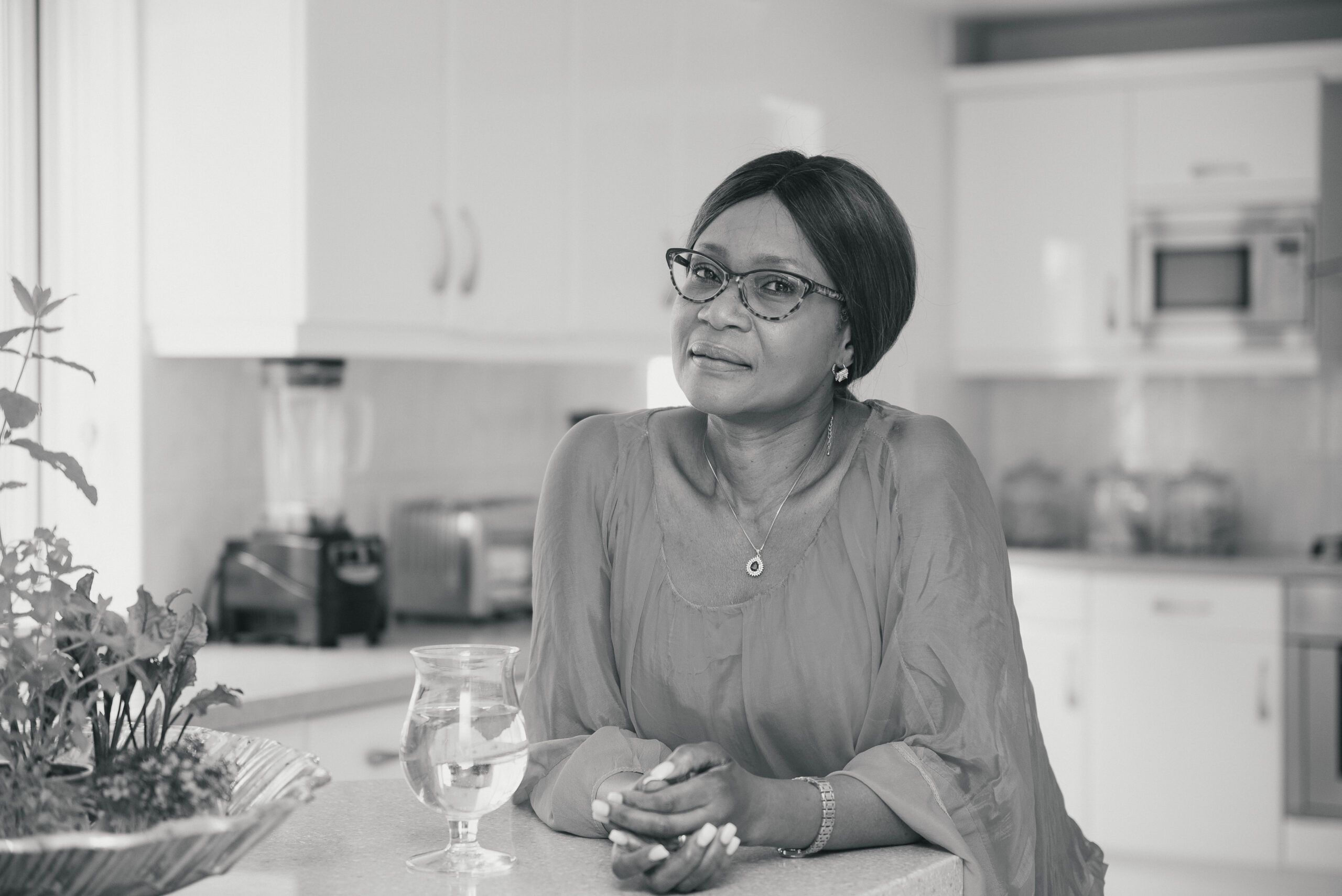
You did not ask for this season. How to rebuild your life after loss and unexpected change, even when you do not know what you are building yet.
The Uncharted Territory
Maybe you lost someone. Maybe a relationship ended. Maybe the career you built, the identity you wore, the future you had mapped out quietly or suddenly stopped being available to you. And now you are here, in a place you never planned to be, trying to figure out how to move forward when you cannot yet see where forward is.
This is one of the hardest places a person can find themselves. Not because something has gone catastrophically wrong, but because nothing in your old toolkit quite works here. The strategies that served you before, the plans, the timelines, the drive to just push through, they do not translate into this terrain.
So what does?
That is what this blog post is about. Not a five-step fix. Not toxic positivity dressed up as wisdom. Just honest, grounded things that actually help when you are moving through a life you did not plan. How to navigate unexpected life changes.
Understand the Ground You Are Standing On
Before you can navigate a transition, it helps to know what kind of terrain you are actually in. There is a phase, and most people who have been through significant change will recognise it, that sits between what was and what is coming. The old life has ended. The new one has not yet taken shape. You are in the middle, and the middle has no clear landmarks.
This phase is disorienting by design. It is supposed to unsettle you, because what is being asked of you here is not to perform or produce but to shed. Old identities, old assumptions, old versions of what you thought your life was supposed to look like. That shedding takes time, and it rarely feels graceful while it is happening. The first thing that helps is simply naming it. You are not failing. You are not falling apart. You are in transition. And transition, by its very nature, is uncomfortable. That discomfort is not a signal to panic, it is a signal that something real is happening.
Stop Waiting to Feel Ready
One of the most common things my clients say in the middle of a life transition is: I will start moving when I feel more ready. When the grief lifts a little. When I have more clarity. When things settle down. When I have a new job.
But here is the truth: readiness rarely arrives before movement. More often, it arrives because of it. You do not need to have it figured out before you take a step. How to navigate unexpected life changes. You do not need to know what you are building before you pick up the first piece. The clarity you are waiting for tends to come through small, honest, imperfect actions, not before.
This does not mean rushing. It means being willing to move, even slowly, even uncertainly, without waiting for a green light that may not come until you are already on your way.
Grieve What Needs to Be Grieved
Transitions involve loss. Even the ones that are ultimately leading you somewhere better. The relationship. The career. The version of yourself you thought you would be by now. The future you had already started to picture. These things deserve to be grieved properly, not quickly, not efficiently.
Skipping grief does not make you stronger or more resilient. It makes you someone who is carrying unprocessed loss into the next chapter, your second season, where it will eventually show up uninvited. Grief is not the opposite of moving forward. It is part of how you move forward. Let it have its place. Let it be as messy and nonlinear as it actually is. You are not behind because you are still feeling it.
Anchor Yourself in What Is Still True
When everything shifts, it is easy to feel like you have lost yourself entirely. But you have not. Underneath the circumstances, underneath the loss and the uncertainty, there are things that are still fundamentally you. A value you have always held. A way of showing up in the world that has not changed. Something that still brings you a small measure of peace or meaning, even in a hard season.
Find those things. Stay close to them. They are your anchor while everything else is still finding its shape. You are not starting from nothing; you are starting from everything you have already lived, learned and survived.
Let People In
I hope you’re still reading. We are not designed to navigate significant life transitions alone. We need people who understand not to fix us or hand us answers, but to witness what we are going through and remind us that we are not invisible in it.
This might be a trusted friend. A professional. A community of people who have walked something similar. Whatever form it takes, do not make the mistake of thinking that needing support is a weakness. It is one of the most honest and courageous things you can do in a hard season, and trust me, here I’ve been there. Isolation makes everything harder. A real, seen, supported connection makes the unbearable more bearable and the possible more visible.
Trust That You Are Being Shaped, Not Broken
Here is something I have come to believe deeply, from my own experience and from walking alongside others through theirs: the seasons we do not plan are often the ones that shape us most profoundly.
Not because suffering is automatically good. It is not. But when life strips away the structure we built around ourselves, what remains is more real. More true. And from that more honest place, something new becomes possible, something that could not have emerged from the comfortable, planned version of your life. You do not have to see what that is yet. You do not have to know what you are building. You just have to stay in the process honestly, patiently, and with the quiet trust that you are not being undone.
You are becoming.
You Do Not Have to Do This Alone
If you are in this season right now, navigating grief, rebuilding after loss, standing at a crossroads with no clear map, I want you to know that there is a space being created specifically for you.
My Second Season Programme is a group coaching programme for successful women moving through significant life transitions. It is a structured, supported space to process what you have been carrying, reconnect with who you truly are, and begin moving toward your second season/next chapter with clarity, confidence, and intention, surrounded by a community of women who genuinely understand.
Stay tuned. If something in you is saying this is the right time, trust that instinct. This second season was never planned. Be the first to know, join the waitlist. Your second season is not the end of your story. It is the beginning of the most honest chapter yet. It’s about navigating unexpected life changes.
Category:

You did not ask for this season.
Maybe you lost someone. Maybe a relationship ended. Maybe the career you built, the identity you wore, the future you had mapped out quietly or suddenly stopped being available to you. And now you are here, in a place you never planned to be, trying to figure out how to move forward when you cannot yet see where forward is.
This is one of the hardest places a person can find themselves. Not because something has gone catastrophically wrong, but because nothing in your old toolkit quite works here. How to navigate the life you did not plan, even when you do not know what you’re rebuilding yet.The strategies that served you before, the plans, the timelines, the drive to just push through, they do not translate into this terrain.
So what does?
That is what this post is about. Not a five-step fix. Not toxic positivity dressed up as wisdom. Just honest, grounded things that actually help when you are moving through a life you did not plan.
Understand the Ground You Are Standing On
Before you can navigate a transition, it helps to know what kind of terrain you are actually in.
There is a phase, and most people who have been through significant change will recognise it, that sits between what was and what is coming. The old life has ended. The new one has not yet taken shape. You are in the middle, and the middle has no clear landmarks.
This phase is disorienting by design. It is supposed to unsettle you, because what is being asked of you here is not to perform or produce but to shed. Old identities, old assumptions, old versions of what you thought your life was supposed to look like. That shedding takes time, and it rarely feels graceful while it is happening.
The first thing that helps is simply naming it. You are not failing. You are not falling apart. You are in transition. And transition, by its very nature, is uncomfortable. That discomfort is not a signal to panic it is a signal that something real is happening.
Stop Waiting to Feel Ready
One of the most common things my clients say in the middle of a life transition is: I will start moving when I feel more ready. When the grief lifts a little. When I have more clarity. When things settle down.
But here is the truth: readiness rarely arrives before movement. More often, it arrives because of it.
You do not need to have it figured out before you take a step. You do not need to know what you are building before you pick up the first piece. The clarity you are waiting for tends to come through small, honest, imperfect actions, not before.
This does not mean rushing. It means being willing to move, even slowly, even uncertainly, without waiting for a green light that may not come until you are already on your way.
Grieve What Needs to Be Grieved
Transitions involve loss. Even the ones that are ultimately leading you somewhere better.
The relationship. The career. The version of yourself you thought you would be by now. The future you had already started to picture. These things deserve to be grieved properly, not quickly, not efficiently.
Skipping grief does not make you stronger or more resilient. It makes you someone who is carrying unprocessed loss into the next chapter, where it will eventually show up uninvited.
Grief is not the opposite of moving forward. It is part of how you move forward. Let it have its place. Let it be as messy and nonlinear as it actually is. You are not behind because you are still feeling it.
Anchor Yourself in What Is Still True
When everything shifts, it is easy to feel like you have lost yourself entirely. But you have not. Underneath the circumstances, underneath the loss and the uncertainty, there are things that are still fundamentally you.
A value you have always held. A way of showing up in the world that has not changed. Something that still brings you a small measure of peace or meaning, even in a hard season.
Find those things. Stay close to them. They are your anchor while everything else is still finding its shape. You are not starting from nothing; you are starting from everything you have already lived, learned and survived.
Let People In
We are not designed to navigate significant life transitions alone. We need people who understand not to fix us or hand us answers, but to witness what we are going through and remind us that we are not invisible in it.
This might be a trusted friend. A therapist. A community of people who have walked something similar. Whatever form it takes, do not make the mistake of thinking that needing support is a weakness. It is one of the most honest and courageous things you can do in a hard season.
Isolation makes everything harder. A real, seen, supported connection makes the unbearable more bearable and the possible more visible.
Trust That You Are Being Shaped, Not Broken
Here is something I have come to believe deeply, from my own experience and from walking alongside others through theirs: the seasons we do not plan are often the ones that shape us most profoundly.
Not because suffering is automatically good. It is not. But when life strips away the structure we built around ourselves, what remains is more real. More true. And from that more honest place, something new becomes possible, something that could not have emerged from the comfortable, planned version of your life.
You do not have to see what that is yet. You do not have to know what you are building. You just have to stay in the process honestly, patiently, and with the quiet trust that you are not being undone.
You are becoming.
You Do Not Have to Do This Alone
If you are in this season right now, navigating grief, rebuilding after loss, standing at a crossroads with no clear map, I want you to know that there is a space being created specifically for you.
The Second Season Programme is a group coaching programme for women moving through significant life transitions. It is a structured, supported space to process what you have been carrying, reconnect with who you truly are, and begin moving toward your next chapter with clarity and intention, surrounded by a community of women who genuinely understand.
The doors are opening soon. If something in you is saying this is the right time, trust that instinct. You can find out more and register your interest here.
Your second season is not the end of your story. It is the beginning of the most honest chapter yet.
Category:

Sometimes a well-planned life can lead you somewhere you never expected to go. Life can throw curveballs, and these sudden critical events can turn our personal and work lives upside down in an instant. Understanding how these surprises affect our feelings, drives and actions is important. An unexpected outcome in life.
You did everything right.
You studied hard, made sensible choices, built a stable career, and stayed on track. You followed the plan, maybe your own plan, maybe one you quietly inherited from the expectations around you. Either way, you showed up, you worked hard, and you kept going.
And then one day, you looked up from all that doing and realised this is not where you thought you would end up. An unexpected outcome in life.
Not in a dramatic, everything-fell-apart way. Just in a quiet, unsettling way. Like walking into a room and forgetting why you came in, only the room is your life.
That moment can stop you completely.
The Plan Was Real. So Is This.
Here is something important to say first: the plan was not wrong. The years of effort were not wasted. The choices that brought you here were real, and they mattered. You were not foolish for following them.
But life has a way of moving underneath us while we are busy executing our strategy. Priorities shift. People change. Losses happen. What once lit us up quietly fades. And sometimes the very structure we built to protect ourselves becomes the thing that is keeping us small.
A well-planned life can deliver everything it promised: security, stability, a certain kind of success and still leave you with a feeling that something essential is missing. That is not ingratitude. That is honesty.
The Unexpected Outcome Is Not the Problem
We are conditioned to see unexpected outcomes as failures. Detours. Evidence that something went wrong.
But what if the unexpected outcome is not a breakdown, but a breakthrough, trying to get your attention?
Think about the people who discovered their true calling only after losing a job they thought they could not live without. Or the ones who found genuine peace only after a relationship they had planned their whole life around came to a sudden end. Or those who stepped into the most meaningful work of their lives precisely because the original plan stopped working.
The unexpected outcome is rarely the end of the story. More often, it is the beginning of the more honest one.
You Already Have the Answer
Here is what I know from working with people through life’s most disorienting crossroads, including mine: the confusion you feel in the face of an unexpected outcome is not a sign that you are lost. It is a sign that you are paying attention.
Something in you already knows that this moment is significant. Something in you is asking a question you have been afraid to answer.
What do I actually want?
That question can feel dangerous when you have spent years building a life around a different answer. But it is also the most important question you will ever ask yourself, and you are the only one who can answer it.
No coach, no mentor, no perfectly curated plan can tell you what your life is supposed to mean. That knowledge lives in you. It always has. Sometimes it just takes an unexpected outcome to create enough space for you to hear it.
What to Do When You Are Here
If you are standing in the middle of an unexpected outcome right now, here are a few things worth sitting with.
Give yourself permission to be unsettled. You do not need to immediately reframe this into something positive. It is okay to feel disoriented. The disorientation is part of the process, not a problem to fix.
Resist the urge to rebuild the old plan immediately. The instinct when things feel uncertain is to rush back to the familiar. But this moment is inviting you to pause before you do. What you rebuild next deserves to come from a more honest place than urgency.
Ask what this has revealed, not just what it has taken. Unexpected outcomes always carry information. They show you what you were holding onto too tightly. They show you what you actually value when the structure falls away. They show you who you are underneath the plan.
Trust that you are more capable of navigating this than it feels like you are right now. You have already moved through difficult things. You have already adapted, recovered, and rebuilt. This is not the first time life has surprised you, and you have not yet failed to find your way through.
The Life That Wants to Emerge
A well-planned life is not the same as a fully lived one. The plan is a map, useful and necessary, but the territory of your actual life is always bigger, messier, and more interesting than any map can capture.
When an unexpected outcome arrives, it is an invitation to stop looking at the map and start looking at the ground beneath your feet. To ask not just where you were trying to go, but where you actually are and what might be possible from here.
You do not need a new plan right away. You need presence. Honesty. A willingness to stay with the question a little longer than is comfortable.
Because the life that wants to emerge from this moment is not something that needs to be forced or figured out all at once. It needs to be allowed. And that begins with trusting that you are not the plan, not the outcomes, not the external markers of success; you are the one who holds the answer.
You always were.
Category:
You thought you were doing better, and then one Tuesday morning, out of nowhere, it hit you again, the weight of it, the absence, the ache, and suddenly it felt like you were back at the very beginning, but you’re not back at square one. This is how grief actually works.
Although it can feel that way. And that feeling is one of the most confusing, isolating parts of grief that almost nobody talks about honestly. Grief is not a straight line. It never was. Understanding why can be the difference between surviving it and being consumed by it.
The Myth of the Stages
Where the idea came from
Most of us grew up hearing about the five stages of grief: denial, anger, bargaining, depression, and acceptance. The psychiatrist Elisabeth Kübler-Ross developed this model in 1969. It was never meant to be a roadmap for how grief should unfold.
She observed patterns which she noticed in terminally ill patients facing their own deaths. Somewhere along the way, it became a prescription.
The problem is that prescriptions for grief are dangerous. When you believe grief should move through predictable stages, you start measuring yourself against a standard that was never designed for you. And when you inevitably don’t match it, you conclude there is something wrong with you.
There isn’t.
And in 2019, David Kessler, the grief expert, added the sixth stage of grief, Finding Meaning, in his book of the same name. In this book, David offers a perspective on how grief can be transformed into meaning, which in turn leads to healing. Remember, grief is personal, and it must be experienced to be understood.
What grief actually looks like
Grief is better understood as waves than stages. Some waves are massive and knock you off your feet. Others are small and manageable. Some arrive when you expect them on anniversaries, milestones, and holidays. Others come from nowhere: a smell, a song, a stranger who laughs the way they did, etc.
Researchers now describe this as the oscillating nature of grief. You move between loss-orientation, facing the grief directly, and restoration-orientation, rebuilding your life and sense of self. Both are necessary. Both are healthy. Neither cancels the other out. Grief is not linear, and what to do when it comes back.
Why We Try to Rush It
The social pressure to ‘move on’
Society is deeply uncomfortable with grief. After a socially acceptable mourning period usually measured in weeks, sometimes in months, there is enormous pressure, often unspoken, to return to normal. To be okay. To stop being sad in ways that make other people uncomfortable.
This pressure can come from well-meaning friends and family. It can come from workplace culture. It can come from the internal belief that needing too long means you’re weak or broken. Whatever its source, the effect is the same: you learn to perform wellness before you’ve actually arrived there.
The cost of the performed healing
When you rush grief or are rushed through it, you don’t skip it. You defer it. Grief has a way of re-surfacing eventually, often in disguised forms: anxiety, numbness, overworking, disconnection, short tempers, or a vague sense that something is permanently missing. The body and mind will always find a way to process what was never allowed to be felt. Grief is not linear, and what to do when it comes back.
Allowing grief to be non-linear is not wallowing. It is not a weakness. It is the only honest, natural and sustainable way through.
What to Do When the Wave Comes Back
Name it without judgement
When grief resurfaces unexpectedly, the first instinct is often to fight it. To tell yourself you shouldn’t be feeling this, that you were doing so well. Instead, try naming it simply and without judgement: ‘A wave is here.’ That’s all. You don’t need to analyse it or assign meaning to its return. You just need to acknowledge it.
Let it move through
Grief that is resisted tends to persist. Grief that is allowed is felt fully, however painful, and tends to pass. This doesn’t mean you have to be consumed by it. It means creating small windows of time when you let yourself feel what you feel, without distraction or apology. Even fifteen minutes of genuine presence with the emotion can release what hours of suppression cannot.
Return to your anchors
After the wave, you need anchors, those things that ground you in the present and remind you that life continues. These might be people, places, routines, or practices. They don’t need to be dramatic. A morning walk, a cup of tea, a phone call with someone who loves you. Anchors don’t erase the grief. They hold you steady while it passes.
A Word on Time
People say time heals. It’s not quite right. What time does it give you more experience, more context, and more distance? Healing, the actual integration of loss into a life that still has meaning, is something you actively participate in. Time is the container. You are the work.
Whenever the grief returns, even in smaller waves, remember it’s not a setback. This is not evidence that you are broken or stuck. This is grief doing what grief does.
And you show up for yourself through another wave; that is exactly what healing looks like. I cover all this in my 1:1 coaching programme, which I designed specifically for high-achieving women who’ve lost loved ones. You can explore other ways we can work together here.
Category:

It’s not the initial shock, not the visible grief, nor even the rebuilding. It’s the space in between. The moment where everything has happened, but nothing makes sense. This is the stage of adversity no one talks about, and why you feel stuck, lost and unable to think clearly. This is the moment in adversity that no one prepares you for. The void phase: why you feel stuck, lost, and unable to think clearly.
The Void Phase
This is where your mind refuses to compute what your life has become. Where clarity disappears. Where your thoughts feel heavy, slow, or simply absent. You try to think, plan, or even imagine a future, but your brain won’t cooperate. This isn’t failure. This is your nervous system protecting you. The void phase is why you feel stuck, lost, and unable to think clearly.
In The Void, your brain is overwhelmed. It downregulates to survive. What feels like “being stuck” is often cognitive shutdown, a response to emotional overload. And here’s the truth most people miss: You are not meant to figure your life out at this stage, just go with the flow. The void phase can be confusing, which is why you feel stuck, lost, and unable to think clearly.
You are meant to stabilise, but how do you move forward when you can’t think clearly? Don’t leap. You anchor.
This is how you can start:
1. Reduce the pressure to understand everything.
Clarity will come later. For now, focus on what is manageable today.
2. Return to the body.
When the mind is foggy, the body becomes your compass. Gentle movement, breathwork, or even sitting in stillness helps regulate your system.
3. Simplify decisions.
This is not the season for big life choices. Protect your energy by minimising the decisions you have to make.
4. Create micro-structure.
Small, predictable routines rebuild safety. Think: wake, eat, walk, rest and repeat.
5. Borrow belief.
If you cannot see your future, trust that your current state is temporary. This void phase is a bridge, not a destination.
You don’t have to make sense of everything on your own.
If you’re finding yourself in this ‘in-between’ space and craving gentle guidance, Second Season, my programme launching soon, is a journey created for moments exactly like this, where healing comes before clarity, and small steps matter more than big leaps.
The Void Phase is uncomfortable because it feels like nothing is happening. But something is. You are recalibrating. Processing. You are quietly preparing for the next version of your life.
Even if you can’t see it yet.
Stay tuned so you can explore it when you’re ready. In the meantime, you can explore other ways we can work together here
Category:

Shifting your mindset for abundance is the inner work that changes everything. There comes a moment, quiet, almost unnoticeable, when you realise your life is no longer limited by circumstances, but by your thinking. Not your talent, your experience or even your past. It’s your mindset. Because abundance isn’t something you chase. It’s something you allow.
Shifting Your Mindset For Abundance Isn’t External, It’s Internal
Most high-achieving women don’t struggle with effort. They struggle with permission. Permission to want more, to receive more and permission to live beyond survival mode. You can have the strategy, the plan, the network and still feel stuck. Why? Because if your internal world is wired for scarcity, you will unconsciously reject abundance even when it’s right in front of you.
Scarcity sounds like:
- I have to work harder to deserve more.
- There’s not enough space for me.
- If I slow down, everything will fall apart.
Abundance sounds like:
- Opportunities expand as I do.
- There is space for me at every level.
- I create results from alignment, not exhaustion.
This is not about positive thinking. This is about identity recalibration.
The Hidden Cost of a Scarcity Mindset
Scarcity is subtle and dangerously convincing. It dresses itself as responsibility, logic, even humility. But underneath it? It’s fear. Fear of loss, of judgment. Fear of not being enough, even when you’ve achieved everything on paper.
And here’s the hard truth: Scarcity keeps you overworking, overgiving, and under-receiving. It creates a life that looks successful but feels heavy. So if you’ve been doing all the “right” things but still feel like something is missing, it’s not a strategy problem. It’s a mindset ceiling.
Abundance Requires Expansion, Not Addition
Most people try to “add” abundance into their lives. More clients, more income and more opportunities. But abundance doesn’t come from adding more. It comes from becoming more available for what already exists.
Think of it like this: If your nervous system is only comfortable receiving at a certain level, anything beyond that will feel unsafe, even if it’s what you say you want. So you delay. You overthink. You self-sabotage subtly. Not because you’re broken, but because your system hasn’t caught up with your vision.
How to Shift Your Mindset for Abundance
This is where the real work begins, not on the outside, but within.
1. Upgrade Your Identity
Stop asking, How do I get more? Instead, ask, Who do I need to become to hold more? Abundance is an identity, not an outcome. The woman who operates in abundance:
- Makes decisions from trust, not fear
- Sets boundaries without guilt
- Receives without over-explaining her worth
You don’t wait to become HER. You practice being her now.
2. Build Evidence for Expansion
Your brain believes what it sees repeatedly. So instead of waiting for massive breakthroughs, start collecting small evidence daily:
- Moments where things worked in your favour
- Unexpected opportunities
- Support you didn’t have to fight for
This trains your mind to recognise abundance rather than filter it out.
3. Redefine Effort and Worth
One of the biggest mindset traps? Believing that abundance must be earned through struggle. But what if ease is not laziness but alignment? What if the next level of your life requires less force and more flow? This doesn’t mean doing nothing. It means doing what matters, without burning yourself out to prove your value.
4. Expand Your Receiving Capacity
This is where most people unconsciously block abundance.
Ask yourself honestly:
- Do I deflect compliments?
- Do I undercharge or overdeliver?
- Do I feel uncomfortable when things feel “too good”?
Receiving is a skill. Start small: Say thank you without justification. Accept support without guilt. Let things be easy without questioning them. This is how you rewire your relationship with abundance.
5. Surround Yourself with Expansion
Your environment either reinforces scarcity or normalises abundance. If you are constantly surrounded by people who:
- Play small
- Fear growth
- Question ambition
You will shrink without realising it. But when you’re in rooms where expansion is normal? You rise. Not because you’re trying harder, but because your standards have shifted.
The Real Shift: From Control to Trust
At its core, shifting your mindset for abundance is not about control. It’s about trust.
Trust that:
- You are capable of holding more
- You are allowed to want more
- You don’t have to prove your worth through exhaustion
And most importantly? Trust that abundance is not something you have to chase endlessly. It’s something you align with again and again.
Your Next /Second Season Requires a New Mindset
You’re not who you were five years ago. Your capacity has grown, your vision has evolved. Your standards are higher. So the question is no longer: Can I create abundance? The question now is: Am I willing to think, or choose, and show up differently to sustain it? Because of the life you want, it’s not waiting for you to work harder. It’s waiting for you to expand.
Abundance is not reserved for the lucky, the loud, or the already successful. It belongs to the woman who decides internally that she is no longer available to be limited.
And on that decision?
That’s where everything begins. This is at the heart of the work I do through my 1:1 coaching sessions. I help high-achieving women intentionally rebuild and redesign sustainable strategies for their lives and businesses, and also redesign homes to support the season they are in after adversity. You can explore the best option for you on how we can work together.
Category:

There comes a moment in life when everything that you built your identity around shifts. Not gradually. Not politely, but all at once. A loss. A burnout or unexpected health challnge. A life event you never saw coming, and suddenly the question isn’t What do I want next? Instead, it becomes: Who am I now? This is the space that requires you to redefine your purpose after a major life change.
The Myth of “Finding” Your Purpose
Purpose is not something you “find” like a missing object. It’s something you redefine. Most high-achieving women have spent years building a life that made sense on paper. Career. Relationships. Identity. Structure. These major life changes disrupt the structure you’ve built. And here’s the uncomfortable truth. What once gave your life meaning may no longer fit who you are becoming. That’s not failure. That’s evolution.
When Life Breaks the Old Identity
After a major life change, there is often an invisible identity collapse. You’re no longer:
- The partner you were
- The version of you that thrived in that career
- The person who once handled everything with ease
And yet, you’re not fully the “new you” either. This creates a tension that most people try to rush out of. And here’s a perspective shift: This space is not empty. It’s creative. It’s where your next level of purpose is being formed quietly, beneath the surface.
Redefining Purpose Requires Letting Go First
This is where many people get stuck. They try to redefine their purpose while still holding onto their old identity. That’s like trying to redecorate a room that’s already full. And at some point, you have to ask:
- What version of me am I still trying to hold onto?
- What expectations no longer feel aligned?
- What am I afraid to release?
I would like to think that your purpose isn’t built on what’s familiar. It’s built on what’s true now.
The Shift: From Achievement to Alignment
Before any major life change, your purpose is often driven by:
- Achievement
- External validation
- Productivity
- Proving something
After a major life change, everything recalibrates. Purpose becomes less about doing more and more and more about being aligned.
Aligned with:
- Your energy
- Your values
- Your emotional truth
- Your capacity
And that’s where things get clearer; alignment often asks you to slow down while the world tells you to speed up.
A More Honest Way to Rebuild Your Purpose
Redefining your purpose isn’t about having a grand vision immediately; it starts smaller than that.
1. Notice What Still Feels Meaningful
Even in the hardest seasons, there are small things that feel grounding. Conversations. Creativity. Helping others. Quiet moments. That’s data. Your purpose leaves clues.
2. Pay Attention to What You No Longer Tolerate
Your standards change after life changes.
What once felt acceptable now feels draining. That’s not you being “difficult.”
That’s you becoming more discerning.
3. At the Start, Let Purpose Be Fluid
Here’s a thought that might challenge you:
What if your next purpose isn’t permanent? What if it’s a season? Taking the pressure off allows something more authentic to emerge.
4. Build From Lived Experience
The most powerful purpose is not theoretical. It’s lived. When you’ve walked through grief, burnout, health challenge and divorce, rebuilding becomes the foundation for impact. Not because it was easy. But because it was real.
The Quiet Rebuilding
Redefining your purpose can feel: Slow. Uncertain. Uncomfortable. Lonely at times
There’s no applause in this phase. No clear milestones, just small, internal shifts that eventually change everything. This is where depth is built. And depth creates unshakable purpose. This is at the heart of the work I now share through my 1:1 coaching sessions. I guide high-achieving women to intentionally rebuild and redesign sustainable strategies for their lives and businesses, and also redesign homes to support the season they are in following adversity. You can explore the best option for how we can work together.
A Different Kind of Success
If you’re in this season, maybe success is no longer about how much you can carry; it’s about how aligned your life feels when you wake up each day. Maybe purpose is no longer about proving your worth. It’s about expressing who you’ve become.
The Truth Most People Won’t Say
You won’t go back to who you were. And trying to will only delay what’s waiting for you. There’s an opportunity: You get to consciously choose who you become next. Not by default. Not by expectation. It’s by designing your new life. I call this well-being by design.
Redefining your purpose after major life changes isn’t about “starting over.” It’s about starting from experience. From depth. The truth. From a version of you that now sees life differently.
And that?
Is not a setback.
That’s an advantage.
Category:
Habit Hacks For High Performance
Sign up now to grab your free Habit Hacks guide & take your performance to the NEXT LEVEL!
Download your guide


Personal Well-Being Masterclass
Subscribe to the waiting list for my highly anticipated personal well-being masterclass.
Join the waitlist


