
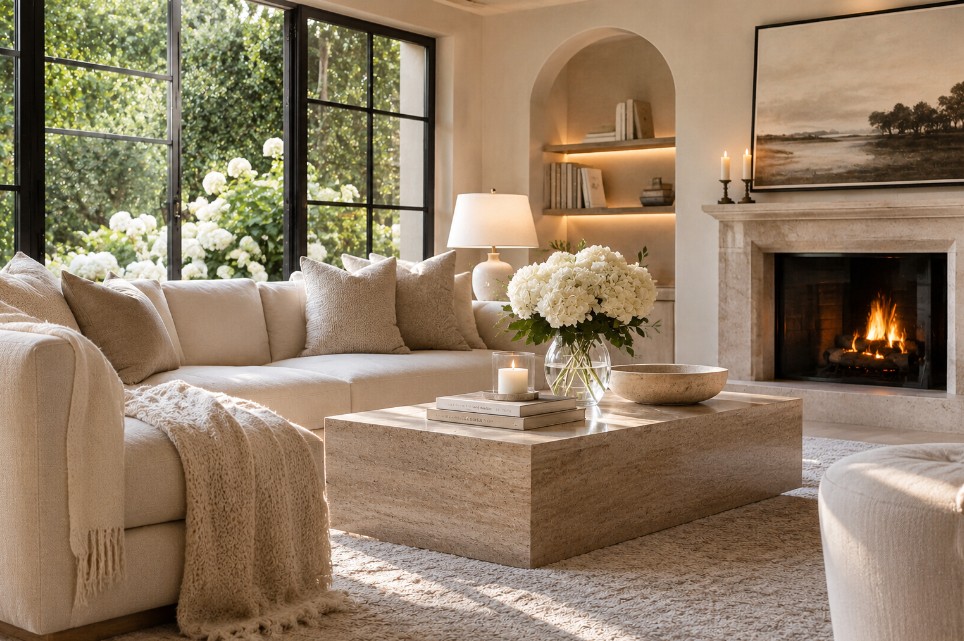
How your environment acts as a silent architect for your mental state, emotional well-being, and ability to recover from life-changing setbacks.
Have you ever walked into a room and immediately felt calmer? Or entered your home after a long day and, instead of feeling relieved, you felt even more overwhelmed? Perhaps there’s a room you’ve been avoiding. A wardrobe filled with clothes that no longer reflect who you are. Or a home that looks beautiful on the surface but somehow no longer feels right.
We often underestimate how much our surroundings shape how we think, feel, and live.Your home is more than a place to sleep, eat, and store your belongings. It’s the environment in which you make decisions, process emotions, develop habits, and navigate life’s changes. And when you’ve experienced significant adversity, whether that’s bereavement, divorce, burnout, or an unexpected change in circumstances, the relationship you have with your home can change too. The question isn’t simply whether your home looks beautiful. It’s whether it supports the life you’re trying to create.
The Science Behind How Your Space Makes You Feel
Certain environments leave us feeling calm, while others make us restless. Environmental psychology examines how our physical surroundings influence human behaviour, emotions, and well-being. Factors such as natural light, noise, clutter, access to nature, and how we organise our surroundings can affect our stress levels, attention, and overall experience of a space.
Living in a cluttered, unfinished home can spike stress and drain your mood, while spending time in nature does the exact opposite, helping your mind recover and recharge. Think about how you feel when you enter a natural light-filled room overlooking a garden compared to a dark, overcrowded space where everything demands your attention.
Your surroundings are constantly providing information to your brain. A pile of unfinished paperwork may remind you of decisions you’ve been avoiding. A crowded bedroom may make it harder to switch off. A comfortable chair beside a window might encourage you to slow down and enjoy a quiet moment.
Of course, a beautifully designed room cannot eliminate grief, anxiety, or life’s difficulties. But an environment that reduces unnecessary stress and supports your daily needs can make life feel more manageable. And that matters enormously when you’re rebuilding your life.
Why Your Home Matters Even More After Life Changes
After adversity, we naturally focus on our emotional recovery. We think about our mindset, confidence, identity, relationships, and what comes next. But how often do we consider whether our physical environment is supporting that process?
When life changes dramatically, the home that once suited you may no longer meet your needs.
Following the loss of a spouse, for example, familiar rooms can hold both comforting memories and painful reminders of absence. After divorce, a home may reflect a relationship that has ended. Following burnout, the environment you once found motivating may now feel exhausting.
There’s nothing wrong with holding on to meaningful possessions or preserving spaces that carry precious memories. The difficulty arises when your surroundings no longer supports the person you are today.
I understand this through my own experience of loss. When your life changes unexpectedly, even the most familiar surroundings can feel different. You begin to recognise that rebuilding isn’t only about what happens internally. It’s also about creating the conditions that allow you to move forward. That doesn’t mean removing everything connected to your past. You can honour the life you’ve lived while making room for the life you’re creating.
Your home doesn’t need to erase your history. It needs to have space for your future.
Designing a Home That Supports You, Not Drains You
When I talk about designing for well-being, I’m not suggesting that everyone needs an expensive renovation or a perfectly styled home. I’m talking about intentional design. Making choices that make your surroundings work with you rather than against you. Start by asking yourself: How do I want to feel when I’m at home? For example calm, rested, energised or inspired?
Then consider whether your current environment encourages those feelings. Begin with what you see every day. Look at the spaces where you spend the most time. Are they functional and comfortable? Do they feel welcoming, or are they filled with things that create unnecessary frustration?
Sometimes removing visual clutter, improving lighting, or rearranging furniture can make a meaningful difference. Make room for restorative moments. You don’t need an entire room dedicated to wellbeing. A comfortable reading chair, a small garden corner, or a peaceful bedroom can become a place where you intentionally disconnect from daily demands.
Bring nature into your environment. Natural light, views of greenery, plants, and natural materials can help create a more restorative environment. Allow your home to evolve with you. Perhaps your priorities have changed. You may want more space for creativity, reflection, entertaining, or simply enjoying your own company. Your home should reflect your present needs rather than remain permanently arranged around a previous chapter of your life. The goal isn’t perfection. It’s creating an environment that makes the way you want to live comfortable and a little easier.
Your Environment Is Part of Your Second Season Strategy
Here’s something I believe we need to discuss more often. We can invest considerable time in personal development, well-being practices, and meaningful goals, yet overlook the environment where we’re trying to implement those changes.
Imagine wanting to establish a peaceful morning routine while your bedroom feels chaotic. Or wanting to rediscover your creativity when you have nowhere comfortable to think, write, or explore new ideas. Your intentions may be strong, but your surroundings can either support or complicate your efforts. This is why I see the home as an important part of an aligned life. Through my work in design and holistic well-being, I’ve come to appreciate that after a life-altering event, rewriting our story starts with reshaping the spaces we inhabit.
Within The Second Season®, rebuilding and creating is about more than changing your mindset. It’s about aligning your well-being, identity, priorities, values and everyday life. Your physical environment belongs in that conversation.
A home intentionally designed around your current needs can support healthier routines, encourage rest, and make everyday activities feel less demanding. It won’t do the emotional work for you, but it can create a more supportive setting for that work.
Your Home Should Grow With You
As you move into your second season, take a moment to look around your home. Not through the eyes of a visitor, or with the expectation that everything should look immaculate. Look at it through the eyes of the woman you are today. Does this space support your wellbeing or does it reflect what matters to you now? You don’t have to change everything at once. Start with one room, pick a corner, or one small decision.
True alignment begins when we realize that the space we inhabit requires just as much cultivation as the changes occurring within us.
Your home shouldn’t just be a monument to where you’ve been. It should be a sanctuary that actively rises to meet who you are becoming.
Is Your Home Supporting the Woman You’re Becoming?
As you rebuild your life after adversity, consider whether your surroundings still reflect who you are today and the life you want to create. Through The Second Season Home Method™, I bring together my background in interior design and holistic well-being strategy to help you create an environment that supports your emotional well-being, evolving identity, and aspirations.
The Second Season Home Method™ is an integrated part of The Second Season®, my signature approach to guiding accomplished women towards a life of well-being, purpose, and aligned success after adversity. Because rebuilding your life isn’t only about changing how you think or what you do. It’s also about creating a home that supports the way you want to live now.
Explore The Second Season® and discover how we can create a soul-aligned life and a home that truly reflects who you’re becoming.
Enjoyed this article? Go ahead and share it with others:
Discover more...
Mindset
Nutrition
science
wellbeing
View all articles
Habit Hacks For High Performance
Sign up now to grab your free Habit Hacks guide & take your performance to the NEXT LEVEL!
Download your guide


Personal Well-Being Masterclass
Subscribe to the waiting list for my highly anticipated personal well-being masterclass.
Join the waitlist

Check out these FREE resources
Thank you!
You have successfully joined our newsletter list.
Eunice De Campi is a multi-passionate founder and creative dedicated to helping women rebuild their lives and businesses after adversity. Based in the UK, works internationally.
Copyright @ 2026 Eunice De Campi International
Terms | cookie policy | disclaimer | Privacy | brand & site by lhc
INTERCONNECTED
Sign up and get inspiration, practical tips, and exclusive resources delivered to your inbox every month.
Monthly Newsletter


