

Dive into a collection of insights, guidance, and inspiration written to support you on your transformation journey. These articles are here to spark new perspectives, empower your self-belief, and remind you: change is possible, and courage, clarity & joy are within reach.
Explore. Reflect.
Lean into your REINVENTION.
Aligned mindset & holistic well-being articles


All Posts

Most conversations about life management revolve around tools: better routines, sharper focus, stronger discipline, tighter boundaries. Planners, productivity systems, morning rituals. All useful, yet for many high-achieving women, something still feels off.
You’re doing “everything right,” but life still feels heavy. Decision-making feels draining. Small disruptions throw you off more than they should. Rest doesn’t quite restore you.
Here’s the uncomfortable truth we don’t talk about enough:
No life management system works without emotional strength beneath it.
Emotional strength isn’t a soft add-on to life management. It is the foundation.
Why Life Management Fails Without Emotional Strength
If life management were purely about structure, then the most organised people would also be the most fulfilled. But we know that isn’t true.
You can have:
- A perfectly planned week, and still feel overwhelmed
- Clear goals and still feel stuck
- Strong discipline, and still feel emotionally exhausted
Why? Because emotional capacity determines how well you can use structure.
When emotional reserves are low:
- Boundaries feel harder to maintain
- Decisions feel heavier than they should
- Time pressure feels personal
- Even small setbacks feel destabilising
Emotional depletion turns normal life demands into emotional stress.
The Nervous System: The Missing Link In Life Management
Here’s what most productivity conversations ignore: how to manage your emotions. Life management is a nervous system issue before it’s a time issue. Emotional strength is the quiet foundation of what I call true life management, not time management.
When your nervous system is dysregulated:
- Everything feels urgent
- Rest feels unproductive
- You default to overdoing or withdrawing.
- You manage life in survival mode.
Emotional strength management allows the nervous system to settle. From that settled place, priorities become clearer, boundaries feel more natural, and effort becomes more sustainable. This is why slowing down often creates better momentum than pushing harder, a paradox many high performers resist until burnout forces the lesson.
Emotional Strength Creates Internal Order
Emotional strength is the foundation of true life management. As someone with interior design experience, I see emotional strength the way I see a well-designed home. An organised space isn’t just about aesthetics; it’s about flow and functionality that enhance well-being, productivity, and emotional connection, and that tells a personal story.
Emotional strength creates the same effect internally:
- Thoughts become less cluttered.
- Decisions feel less dramatic.
- You stop over-managing what doesn’t matter.
- You conserve energy for what matters
Without emotional order, life feels noisy. With it, even busy seasons feel more navigable.
Why High-Achieving Women Especially Need This Shift
High-achieving women are often praised for their ability to cope well. Being strong. Holding it together. But coping isn’t the same as internal support. Many of the women I work with are incredibly capable yet emotionally overextended. They’ve mastered external management while neglecting internal capacity, and eventually, the gap shows up as burnout, numbness, unfulfilled or a quiet loss of joy. Emotional strength allows ambition to coexist with well-being without one cannibalising the other.
Building Emotional Strength Management Is a Practice, Not a Personality Trait
This is the hopeful part. Emotional strength isn’t something you either have or don’t. It’s something you build.
It grows when you:
- Create space to process rather than rush past emotions
- Learn to pause before reacting
- Honour rest as strategic, not indulgent
- Design your life to support your nervous system, not constantly override it
Small, intentional shifts compound, just as any other life management skill does.
The New Definition of “Being“
True life management isn’t a perfectly executed routine. It’s the ability to move through life with:
- Emotional steadiness
- Self-trust
- Sustainable energy
- Compassion for your own humanity
When emotional strength is present, life doesn’t need to be micromanaged. It flows with more ease, even when it’s challenging. And perhaps that’s the most refined form of well-being there is, not controlling life, but having the inner capacity to meet it. In my 1:1 coaching sessions, I guide women in designing sustainable strategies for their lives and businesses following adversity.
Stay tuned, you don’t want to miss my Refined Wellbeing introduction.
Category:

Resilience has become one of the most overused words of our time. It’s often reduced to “just keep going” or “stay positive.” But real resilience, the kind that actually sustains a life, a business, and a sense of self, is far more nuanced. Resilience is not about bouncing back to who you were. It’s about learning how to rebuild differently.
Resilience Is a Practice, Not a Personality Trait
Contrary to popular belief, resilient people aren’t born tougher; they’ve simply learned to respond to challenges with intention rather than reactivity.
Think of resilience like architecture. When a building collapses, you don’t reconstruct it using the same faulty blueprint. You reassess the foundation, strengthen weak points, and then redesign for longevity.
True resilience works the same way. It’s not brute force endurance. It’s a thoughtful adaptation.
When Resilience Turns Into Burnout: The Cost of Pushing Too Hard
Many high-achieving women pride themselves on being resilient because they’ve survived a lot. Loss. Burnout. Reinvention. Leadership pressure.
But here’s the uncomfortable truth:
Survival without integration eventually leads to exhaustion.
If resilience is built solely on grit, it becomes brittle. Strong on the outside. Fragile underneath.
The most resilient individuals don’t just endure hardship, they process it. They create space to grieve, to question, and to redefine success on their own terms.
The Three Pillars of Sustainable Resilience
From studying psychology, leadership, and lived experience, sustainable resilience rests on three often overlooked pillars:
1. Emotional Honesty
Resilience begins with acknowledging what hurts, without rushing to fix it. Suppressed emotions don’t disappear; they resurface as fatigue, cynicism, or disconnection.
2. Meaningful Reframing
Adversity doesn’t automatically make us stronger. Reflection does. When we consciously extract meaning from hardship, it stops defining us and starts informing us.
3. Intentional ReDesign
Resilient lives are designed, not defaulted into. This includes boundaries, energy management, supportive environments, and aligned goals, not just ambition.
Why Resilience Is an Art, Not a Formula
There is no universal resilience checklist. What restores one person may deplete another. This is why resilience is an art. It requires discernment, self-trust, and ongoing recalibration.
Just like art evolves with the seasons, resilience changes and grows with the seasons, too. What you needed to survive may not be what you need to thrive.
And that’s not failure. That’s growth.
In my 1:1 coaching consulting, I guide women through designing sustainable resilience strategies for both life and business after adversity.
A Forward Thinking Reframe
The future of resilience isn’t about enduring more.
It’s about living better with clarity, depth, and sustainability.
Resilience isn’t the absence of breaking.
It’s the wisdom to rebuild with intention.
And that, quietly and powerfully, changes everything.
Category:

Navigating Life Without a Map
There was a time in my life when I felt adrift. The routines, the achievements, even the recognitions that once gave me pride felt hollow. I realised that success, as the world defines it, wasn’t enough to guide me through life’s complexities. Something had to be different. That “something” turned out to be well-being, my unexpected compass.
Understanding Well-Being Beyond Feeling Good
Well-being isn’t just a fleeting sense of happiness or comfort. It’s a multi-layered compass that guides decisions, relationships, and personal growth. Scientific research confirms that well-being has measurable effects on resilience, productivity, and even longevity. Philosophers like Seneca argued that cultivating inner peace and virtue is central to a life well-lived. For me, embracing well-being as a compass meant looking at life not just through achievements or success, but through alignment with values, emotional health, and purpose.
The Turning Point: Loss and Reflection
My personal turning point came through adversity. Life forced me to pause, confront grief, and question my capabilities and priorities. It was uncomfortable and, at times, overwhelming. Yet, it was this space of reflection that allowed me to notice something profound. When I tuned into my holistic well-being, mentally, emotionally, and physically, it guided me toward choices that felt authentically right.
Creating a Personal Compass
Building a well-being compass isn’t about rigid rules; it’s about consistent practices that clarify direction.
- Mindful Awareness: Paying attention to thoughts, feelings, and bodily signals. Awareness revealed patterns I had ignored, the energy drains, relationships, and habits that didn’t serve me anymore.
- Values Alignment: Defining what truly matters and measuring decisions against these values. My values became a north star, letting me prioritise what was meaningful rather than reactive.
- Rituals and Boundaries: Daily routines, journaling, meditation, and intentional rest became anchors. They didn’t eliminate stress, but they gave me a reference point to recalibrate when life felt chaotic.
- Curiosity and Growth: Instead of running from discomfort, I leaned in with curiosity. Every challenge became observation and understanding what nurtures my well-being and what undermines it.
Well-Being as a Compass in Daily Life
With this compass, I started making choices that aligned with long-term well-being, not short-term gain. Saying no without guilt, investing in nourishing relationships, and designing work that supports life rather than consumes it. The difference wasn’t immediate it was gradual, subtle, and cumulative.
The Ripple Effect
Interestingly, prioritising my well-being didn’t just improve my own life; it affected everyone around me. I became more patient, empathetic, and present. My professional life shifted too: clients, colleagues, and collaborators responded positively to the energy and clarity I brought to every interaction.
Reflections
Life’s challenges are inevitable, but we can choose our compass. For me, well-being became more than a state of being; it became a guide. It shows me where to invest energy, how to navigate uncertainty, and what truly matters in moments of decision.
If you’ve ever felt lost in the noise of expectations and obligations, I encourage you to explore how well-being can serve as your compass. Small shifts today can lead to profound clarity tomorrow. Find out options on how I can help your refine your wellbeing.
Category:

Well-being is often spoken about as something we can achieve through routines, diet, or success. Yet, the deeper meaning of holistic well-being goes beyond what we do, it is a state of being, a quiet harmony within ourselves. Unlike passive happiness, true well-being is an active process that requires conscious effort and resilience. Well-being is built through small, intentional choices and engagements in meaningful pursuits. True well-being is a lifestyle.
Well-being is Presence
True well-being isn’t about having the perfect morning routine or a flawless lifestyle. It begins with presence. When you’re fully present, you’re no longer chasing the future or replaying the past. You’re here, in this moment, aware of your breath, your body, and your surroundings. Presence allows you to experience life as it is, not as you fear or expect it to be. It’s in presence that peace begins. Presence is a practice, a gift we give ourselves and others.
Well-being is Stillness
In a world that constantly pushes us to do more, stillness feels rebellious. Yet stillness is the gateway to clarity. It’s where your nervous system resets, where the noise of “shoulds” fades, and your inner voice rises. Well-being is not about filling every moment, it’s about creating space for nothingness. In stillness, you rediscover yourself, and that quiet strengthens you for life’s challenges.
Well-being is Posture
Your body tells your story. The way you sit, stand, and breathe reflects your inner state. A slouched posture can signal defeat, exhaustion, or disconnection. An open, lifted posture communicates self-respect and vitality. This isn’t about perfection, but awareness. When you align your body, you align your energy. Posture becomes a practice of grounding, a physical reminder that you are strong, capable, and present.
Well-being is Vulnerability
At its core, well-being is about wholeness and not perfection. Vulnerability is the courage to be seen, to share your truth, to admit when you’re struggling. It’s in vulnerability that connection grows and healing happens. Pretending to have it all together may look strong, but true strength comes from honesty. Vulnerability is not weakness, it’s the birthplace of belonging, freedom, and authentic well-being on your own terms.
Conclusion
Well-being is not a checklist or a trend. It’s a deeper way of living, one rooted in presence, stillness, posture, and vulnerability. When we embody these, we don’t just feel well, we live well always. Remember well-being is not a finish line, it’s the way we move through life. If this reflection spoke to you, today I invite you to pause a little longer and carry these thoughts into your day . Or for a deep dive I invite you to explore my signature offering for an experience that will transform your life.
What do you do to make yourself feel good?
Category:
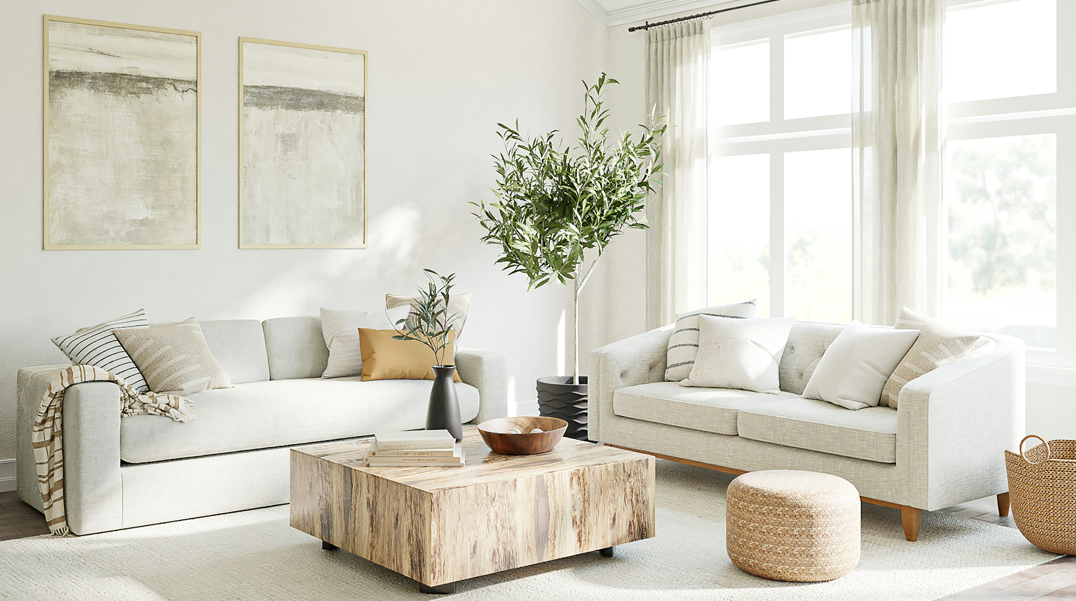
The best environment is about how they make you feel, and not what’s in them. Our home environment plays a profound role in our emotional and physical well-being, but some peope don’t know this. The spaces where you live, rest, and recharge can either support your healing journey or create additional stress and obstacles. Your home should be your healing space. By intentionally designing your home as a healing space, you create a sanctuary that nurtures your recovery, growth, and daily wellness.
Creating Physical Harmony
The foundation of a healing home begins with addressing the physical environment. Natural light serves as one of the most potent healing elements, regulating circadian rhythms, boosting mood through increased serotonin production, and creating a sense of openness and vitality. Maximise daylight by keeping windows unobstructed, using light-coloured curtains that can be fully drawn back, and strategically placing mirrors to reflect light throughout darker areas.
Air quality has a significant impact on both physical health and mental clarity. Introduce plants like snake plants, pothos, or peace lilies that naturally purify air while adding life and colour to your space. Have proper ventilation, and consider an air purifier if you live in an urban area or have allergies. The simple act of breathing clean, fresh air can reduce stress hormones and improve cognitive function.
Designing for Comfort and Safety
A healing space must feel safe and comfortable at the most fundamental level. This means addressing both physical comfort and emotional security. Remove clutter that creates visual chaos and mental overwhelm, not through rigid minimalism, but by keeping only items that serve a purpose or bring genuine joy. Organise belongings in ways that make daily routines smooth and effortless.
Create distinct zones for different activities: a quiet corner for reflection or reading, a comfortable area for rest, and an energising space for movement or creative activities. These boundaries help your mind transition between different states and activities throughout the day.
Incorporating Elements of Nature
Biophilic design principles recognise our innate connection to nature and its healing properties. Beyond houseplants, consider incorporating natural materials like wood, stone, or bamboo into your furniture and decor. Natural textures engage the senses in subtle, grounding ways that synthetic materials cannot replicate.
Water features, even small tabletop fountains, provide soothing sounds that can mask disruptive noise and create a sense of tranquillity. Natural scents from essential oil diffusers, fresh flowers, or herbs can trigger positive emotional responses and help establish calming routines.
Colour and Mood
Colours profoundly influence our mood and energy levels. Soft, earthy tones like sage green, warm beige, or dusty blue typically promote relaxation and a sense of stability. However, healing colours are intensely personal; some find energy and joy in brighter hues, while others prefer monochromatic schemes that feel serene and uncluttered.
Consider the purpose of each room when choosing colours. Bedrooms benefit from cooler, calming tones that promote rest, while workspaces might incorporate energising colours that support focus and creativity. The key is choosing colours that make you feel authentically peaceful and supported.
Personal Sanctuary Spaces
Designate at least one area as your personal sanctuary; a space entirely devoted to peace, reflection, and self-care. This might be a meditation corner with comfortable cushions, a reading nook with soft lighting, or even a bathroom transformed into a spa-like retreat. The size matters less than the intention and consistency of use.
This sanctuary should contain items that connect you to your values, goals, and sources of strength. These might include meaningful photos, artwork, books, journals, or natural objects. The key is curating items that genuinely nurture your spirit rather than simply following design trends.
Technology Boundaries
Creating a healing home often requires establishing healthy boundaries with technology. Consider designated tech-free zones, especially in bedrooms and eating areas, to preserve spaces for genuine rest and human connection. Use timers or apps to create boundaries around screen time, and establish charging stations outside bedrooms to improve sleep quality.
When technology is present, make it serve your well-being intentionally. This might mean using devices for meditation apps, calming music, or educational content that supports your growth, while limiting exposure to news or social media that increases anxiety.
Rituals and Routines
Your healing space becomes most powerful when supported by nurturing rituals and routines. Morning routines that begin with intention; whether through meditation, gentle stretching, or simply enjoying coffee in quiet contemplation, set a peaceful tone for the day. Evening routines help transition from daily stresses to rest and renewal.
These rituals don’t need to be elaborate. Simple practices like lighting a candle while journaling, playing soft music during meals, or keeping fresh flowers on a table create anchor points of beauty and mindfulness throughout your day.
Flexibility and Evolution
A truly healing space evolves with our needs and growth at different stages in our lives. What brings peace during one season of life may feel stagnant during another. Regularly assess how your space feels and functions, making small adjustments as needed. This might mean rearranging furniture to improve flow, changing artwork to reflect new aspirations, or adding elements that support current challenges or goals. I do this frequently, small changes make a huge difference, my home is never done.
The most important aspect of creating a healing home is trusting your instincts about what makes you feel genuinely peaceful, energized, and supported. While design principles provide helpful guidance, your personal sense of what feels nurturing should always take precedence.
Your home becomes a healing space not through expensive renovations or perfect aesthetics, but through intention, care, and attention to how your environment affects your well-being. Explore my offerings and discover Sanctuary my blueprint foundation to guide you to create a space that supports your physical comfort, emotional safety, and spiritual growth, to thrive in all areas of life.
Remember that well-being is multi-dimensional and encompasses the interconnectedness of feeling good, functioning well, overall health, and how your life is going.
Category:

If you want to be fulfiled in life, start your journey towards personal wellbeing. Fulfilment isn’t a destination you arrive at one day; it’s intentional, a way of living that comes when your daily choices align with what truly matters to you. While external metrics might measure success, fulfilment comes from within, rooted in personal well-being and authentic self-expression. Be fulfiled in life.
Understanding True Fulfilment
Fulfilment differs from happiness or pleasure. While happiness can be fleeting and pleasure temporary, fulfilment provides a more profound sense of meaning and contentment that persists even during challenging times. I know this too well. It’s the feeling that your life has purpose, that you’re growing as a person, and that your existence contributes something valuable to the world around you.
Research consistently shows that fulfilled individuals have strong relationships, they engage in meaningful work, maintain their physical and mental well-being, and live in alignment with their core values. These elements create a foundation of well-being that supports long-term, sustainable life satisfaction.
Be fulfiled in life,nurture your physical well-being
Your body is the vessel through which you experience life, and caring for it directly impacts your capacity for fulfilment. Physical well-being is not just the absence of illness, but vitality, energy, and the ability to engage fully with life’s experiences. Be fulfiled in life.
Subtle reminder:
a)Regular movement releases endorphins and reduces stress while building physical resilience.
b)Nutrition plays a crucial role in determining how you feel daily. Eat foods that nourish both your body and mind, pay attention to how different foods make you feel, and adjust your diet accordingly.
c)Quality sleep is non-negotiable for overall well-being. During sleep, your body repairs itself and your mind processes the day’s experiences. Creating consistent sleep habits and a restful environment supports both physical health and emotional regulation. Be fulfiled in life.
d)Prioritising Your Mental and Emotional Health. Your mental well-being is the core of a fulfilled life. Without emotional stability and psychological well-being, external achievements can feel hollow, and relationships suffer. Regular self-reflection helps you understand your patterns, triggers, and areas for growth. Also, consider seeking professional support when needed. Coaching, therapy, or counselling isn’t just for crises; it’s a valuable tool for personal development, helping you develop healthier thought patterns and coping strategies.
Be fulfiled in life, Building Meaningful Relationships.
As humans, we are social beings, and fulfilment can difficult to achieve in isolation. Focus on relationships where you can be genuinely yourself and share true thoughts and feelings. Set healthy boundaries while remaining open to love and connection. Be fulfiled in life.
Finding Purpose and Meaning and be fulfiled in life.
Fulfilment often emerges from engaging in activities that feel meaningful and purposeful. This doesn’t necessarily mean changing careers or making dramatic life shifts, it can be as simple as finding ways to contribute to others’ well-being or pursuing interests that genuinely excite you. Identify your core values and seek opportunities to express them in your daily life. When your actions align with your values, even mundane tasks can feel more meaningful. Be fulfiled in life.
Embracing Growth and Learning
Fulfilled individuals maintain a sense of curiosity and openness to new experiences throughout their lives. Personal growth doesn’t end at a certain age, it’s an ongoing process that keeps life interesting and meaningful. Embrace challenges as opportunities to develop new skills and perspectives. Learning expands our understanding of the world and ourselves, creating new possibilities for connection and contribution. Refine your well-being and be fulfiled in life.
Be patient. Transformation takes time, and setbacks are part of the process, no matter how organised you are. Refine your well-being and be fulfiled in life.
Creating Your Path Forward
Fulfilment isn’t achieved through a single grand gesture but through countless small choices made consistently over time. Start where you are, with what you have, and take one small step toward greater true well-being. Whether that’s planning a light lunch date with a friend, taking a walk in the woods, or simply pausing to appreciate something beautiful, every action that supports your well-being contributes to a more fulfilled life.
The journey towards fulfilment is deeply personal, and your path will look different from everyone else’s. Trust yourself to know what feels right for your life, while remaining open to growth and change. With patience, self-compassion, and commitment to your true well-being, you can create a life that feels both meaningful and joyful.
If this spoke to you, share it with someone who needs a pause. The good thing is you don’t need to struggle, if you’re looking for deeper support to reset your well-being and turn it all around. Explore my offerings to discover which one is best for you. Be fulfiled in life.
Subscribe for newsletters, guides and programmes to refine your wellbeing.
Category:

The journey to jellbeing, where ancient wisdom meets modern science. There’s a quiet revolution happening. More of us are turning inward. Slowing down. Listening deeply. We’re no longer chasing well-being like a finish line anymore; we’re learning to live it. And maybe, just maybe, the old sages knew something science is now confirming.
The Science of Stillness
The science of stillness is the secret. Seneca, the Stoic philosopher, was renowned for his inner calm and believed that well-being had nothing to do with external luxuries. We are seeing this today in society. As a designer, I worked with some wealthy clients, but while they enjoyed their material advantages, some of them faced unique challenges that impacted their well-being. Back to Seneca, for him, it was a matter of spiritual clarity. As he wrote, “It is not that we have a short time to live, but that we waste much of it.” He saw time, presence, and peace of mind as the ultimate wealth. I’m not sure if the modern materialistic society would agree with him here. The journey to well-being.
The Science Of Slow and the journey to well-being
Now, Neuroscience echoes Seneca’s quiet wisdom. According to research, only ten minutes of focused breathing per day can significantly reduce cortisol levels in high-achieving individuals, especially those experiencing burnout. Another study linked regular reflection (journaling and inner dialogue) with greater emotional resilience for long-term well-being.
It’s not just about what we do—it’s how and why we do it.
Science now confirms what ancient wisdom has long held to be true. Slowing down helps us think more clearly, feel more deeply, and connect better with others and with ourselves.
My Grief an Unexpected Guide
I didn’t choose this path, I was thrown onto it.
After losing my husband unexpectedly, everything I thought I knew about life, success, and even well-being was shattered. But in the silence of that sorrow, I heard something ancient. Not a scream. Not a solution. A whisper:
“Come back to yourself.” At that moment, I felt stillness.
The Grief stripped me bare. It taught me presence, not through meditation, but through mourning. It forced me to listen to my body, honour my emotions, and redefine what strength really means. I have become wiser through this hardship. Science agrees that post-traumatic growth is REAL. But only if we walk through it AWAKE. The journey to well-being.
Grief deepened my true well-being. And now I walk beside others who are ready to rise from their own ashes.
The Dance Between Adversity and joy
The dance between adversity and joy. Premeditatio malorum is a Stoic practice of mentally preparing for potential adverse events such as setbacks, losses and difficulties, allowing us to mentally rehearse how to cope with these events and build resilience. Today’s scientists refer to this practice as stress inoculation. It’s the same idea but not many practice this. When we meet our challenges mindfully, we create inner strength. Pain doesn’t disappear, but we learn to hold it with grace.
The Dance Between Adversity and Joy captures something profound about how these seemingly opposite experiences interweave throughout our lives. It’s a complex choreography. Adversity often deepens our capacity for pleasure. The person who has known real hardship frequently experiences gratitude and delight more intensely than someone who has lived an easier life.
Difficulty makes us more attuned to beauty, connection, and simple pleasures we might otherwise take for granted. Joy, meanwhile, can provide the resilience we need to face adversity. Those moments of connection, wonder, or contentment become anchors we can return to during difficult times. They remind us that life contains multitudes, that our current struggle is not the whole story.
Timing and Rhythm the journey to well-being
Sometimes, adversity and joy alternate in clear sequences, periods of challenge followed by relief and celebration. When my husband passed away, it was only a couple of weeks before my son’s eighteenth birthday. At other times, timing and rythym coexist, as when finding moments of laughter amidst grief or feeling deep gratitude even while going through hardship.
What’s intriguing is that they can transform each other. Adversity can crack us open in ways that allow for more profound joy, while joy can give us the courage to face challenges we might otherwise avoid. Neither erases the other, but each can change how we experience and integrate the other.
The dance suggests that rather than trying to maximise joy and minimise adversity, there might be wisdom in learning to move fluidly between them, to see adversity as training for the soul and finding meaning.
So, What does the journey to Wellbeing Journey Look Like?
It’s not a straight line. It’s a spiral. One can revisit the same lessons repeatedly, gaining a deeper understanding each time.
Here’s a gentle path forward:
- Breathe before you begin.
One minute of stillness can change the tone of an entire day. - Question your pace.
Who are you rushing for? Slow is sacred. - Feel your feelings.
Don’t bypass them. They’re sacred messengers. - Seek beauty in adversity.
Ask: What is this moment teaching me about myself? - Design a life, not just a lifestyle. And don’t let the outside noise define your inside truth.
We suffer more in imagination than in reality. ~ Seneca
Ready to Turn Adversity into Abundance?
Your path to wellbeing begins with one bold choice, to come home to yourself.
You’re reading this because you’re a high-achieving woman craving more calm, clarity, purpose, and joy. Let’s walk this Wellbeing journey together. Contact me today for your personalised programme.
Category:

There’s something magical about putting one foot in front of the other. No apps, no pressure and no performance. Just you, the path, your thoughts and a little space to breathe. Benefits of walking the simple way to relieve stress and reset your mind.
In a world that tells us to hustle harder, walking offers a gentle rebellion. I know people are always looking for holistic answers to reduce stress, burnout, anxiety, and overwhelm. The solution? It might just be a walk away.
Benefits of Walking. Why Walking Works, Its More Than Just Exercise
Walking isn’t just a physical activity, it’s a mental cleanse. Countless studies have now confirmed what ancient wisdom has long known, that moving your body moves your mind. Here are some of the benefits of taking daily walks:-
- Walking reduces cortisol levels—your body’s stress hormone.
- It boosts serotonin and dopamine, creating calm and joy.
- Activates both hemispheres of your brain, helping with clarity and creativity.
- And perhaps most importantly, it gives your nervous system a chance to reset
It’s free. It’s accessible. And it doesn’t require lycra or a gym membership. Walk it off, the simple and sustainable way to relieve stress, anxiety and reset your mind.
From Stress Spiral to Stillness. Benefits of Walking
You know that uneasiness in your chest? The racing thoughts at 3 AM?
That frozen, frazzled feeling that no amount of coffee can fix?
Take Action:
Leave your phone at home or switch it off at least.
Step outside.
Take a walk, just take a walk .
10 minutes can make a difference. Find some green space, it’s even better. I think nature, combined with walking, is a double dose of therapy.
Walking Is Meditation in Motion
If you’ve ever struggled to sit still and meditate, walking offers a more accessible starting point to meditation.
With every step, you’re:
- Returning to your breath
- Noticing your surroundings
- Processing your emotions
- Quietly soothing your inner world.
It’s not about distance or speed. It’s about presence. And it’s about reclaiming moments of peace in a noisy world. Benefits of walking to reset your mind.
Walking Helped Me Heal And It Can Help You Too
When life cracked me open with grief, burnout, and everything in between walking gently became my daily ritual. My moving prayer. A steady rhythm that helped me reconnect with myself. Daily walking is my daily ritual. Now, I encourage my clients to use walking as a wellbeing tool. It’s one of the simplest, FREE and most powerful practices we can give ourselves.
Benefits of Walking: Here’s a gentle invitation:
Walk for 10 minutes today. No goal. No steps to hit. Just walk and notice how you feel. Then, if it helps, do it again tomorrow, and the following day. Your mind will thank you for it. Your body will soften. And your spirit—she’ll RISE.
Let’s keep walking together.
If this spoke to you, share it with someone who needs a pause. And if you’re looking for deeper support to reset your well-being, I’m here to help. Let’s talk. Explore my offerings to discover which one is best for you. Walk it off, the simple way to relieve stress, anxiety and reset your mind.
I help high-achieving women reclaim themselves—one step at a time. Thank you for reading our blog.
Category:

A Holistic Approach to Thriving Without Burning Out
In a world that constantly celebrates hustle, accolades, and achievements, it’s easy to fall into the trap of defining success by external standards such as a seven-figure business, a full calendar, or the perfect instagram-worthy life. Redefine success without burning out is a holistic approach for high-achieving women ready to thrive. But what if true success isn’t about how much you do, but how deeply aligned you feel while doing it? As a well-being expert who supports successful women through significant life transitions, I’ve seen firsthand in my own transformation how powerful and liberating it can be to redefine success as a holistic approach to thrive on your own terms, and science backs this up.
Behind Success and Well-being
The longest-running study on human happiness—reveals a surprising truth, it’s not wealth or achievement that brings lasting success. It’s the quality of our relationships, our emotional well-being, and the sense of meaning in our lives that determine how fulfilled we feel each day. This means success isn’t just about what we do, but also how our achievements make us feel, how well they align with our values, and how they nurture our overall well-being mentally, emotionally, spiritually and more. Redefine success for high-achieving women.
Why Traditional Success Leaves Many Women Empty
Redefining success is a holistic approach for high-achieving women ready to thrive without the burn out. For many high-achieving women, success comes with a price such as chronic stress, invisible grief, emotional depletion, or a deep sense of “Is this all there is?” Redefine success for high-achieving women.
You may have:
- Climbed the ladder, only to feel disconnected from your purpose and passion.
- Built the business, but lost touch with your well-being and your true essence.
- Created the life others admire, but still feel empty and unfulfilled deep inside.
This disconnection isn’t a failure but it’s a sign you’ve outgrown a definition of success that was never truly yours. Redefine success for high-achieving women.
Success Should Be Alignment, Not Sacrifice
True success is holistic. It honours your unique rhythm, values, and your lived experience. What energises one woman may drain another. That’s why there is no one-size-fits-all blueprint. My coaching is tailored to your needs and wants for where you are in your life right now.
Some women thrive with structured goals and milestones. Others flourish when they follow intuition, rest cycles, and creative flow. One woman’s success might be building a global business, another’s might be finally having the courage to slow down and heal.
Redefining success is a holistic approach for high-achieving women ready to thrive without burn out. When we redefine success holistically, we begin to ask more profound questions:
- Does this feel aligned with my values and purpose?
- Is this nourishing my mental, physical, and emotional health?
- Am I connected to something greater than productivity?
- Does this path allow me to stay grounded and be fully myself?
Creating Your Definition of Success
Here’s how I start aligning my own success with my well-being:
1. Audit Current Definition
Where did your version of success come from? Culture, family, mentors? Pause and ask: Is this truly mine?
2. Clarify What Wholeness Looks Like for You
What makes you feel grounded, joyful, and alive? Consider your relationships, health, creativity, and purpose. Let those be part of your success metrics and not societal expectation.
3. Prioritise Rest and Recovery
Rest is underappreciated in our modern society. Rest isn’t the opposite of productivity nor it’s what allows it to be sustainable. Prioritising well-being is not a luxury—it’s empowerment and a leadership decision.
4. Define Your Non-Negotiables
What boundaries protect your energy and peace? What practices can take you back to yourself?
I believe these are essential to any empowered woman’s definition of success.
High-achieving woman You Have The Choice To Redefine Your Success
Success isn’t just about reaching a destination, it’s about how you feel along the journey. And if you’ve been doing all the right things but still feel unfulfilled inside, that’s your intuition whispering: “There’s another way, a holistic way to thrive”. You don’t need to burn out to be brilliant. You don’t have to sacrifice your soul to be successful. You’re allowed to Rebuild. To Rise. To Redefine what thriving looks and feels like for you. And I’m here to remind you that, the most successful life is the one that feels like yours.
This Journey Together
Let’s rewrite what success means for you. Not by doing more, but by becoming more of who you truly are. If you’re reading this blog you’re a successful woman ready to rise above burnout, grief, or a life that no longer suits you, I invite you rewrite your new story, and redefine your success, where your well-being and values lead the way. Explore my offerings to discover which one is best for you. Thank you for reading our blog.
References:
Harvard University:- Study of Adult Development
Martin Seligman: The PERMA Model Five Core Elements of Wellbeing
Category:

Health and Wellness Through Cultural Values and Traditions
This is one of my favourite topics to write about. In our interconnected world, the opportunity to learn from diverse cultures and their unique traditions is more accessible than ever. These global perspectives can offer us valuable insights into living healthily and well. By studying the values and traditions of other cultures, we can enrich our own lives and foster a holistic approach to health, wellness and well-being. Embracing universal wisdom, with a handful example let’s explore how learning from different cultures can contribute to a healthier lifestyle and what we can adopt to enhance our well-being today.
Embracing Universal Wisdom Can Be A Recipe for Longevity
The Mediterranean region is renowned for its diet, which is lauded for promoting longevity and reducing the risk of chronic diseases. This diet rich in fruits, vegetables, whole grains, and healthy fats, particularly olive oil. Fish and poultry are preferred over red meat, and meals are often complemented with a moderate intake of red wine. The Mediterranean lifestyle goes beyond just food. It emphasises social connections, with meals being a communal activity. This fosters a sense of community and emotional well-being. Adopting elements of the Mediterranean diet and lifestyle can encourage healthier eating habits and enhance social connections, both of which are vital for overall health and wellbeing. Health and Wellness Through Cultural Values and Traditions.
Ikigai: Finding Purpose, Meaning And Embracing Universal Wisdom
In Japan, the concept of “ikigai” is a central tenet of living a fulfilling life. Ikigai can be translated as “a reason for being” and is the idea of finding your joy and purpose in life. This philosophy encourages us as individuals to identify what we love, what we are good at, what the world needs, and thereby creating a sustainable, balanced, meaningful and fulfilled life.
Incorporating the principles of ikigai into our lives can help reduce stress and increase satisfaction. By striving to find a balance between passion, vocation, profession, and mission, we can foster a sense of purpose, clarity and direction, which is crucial for mental and emotional well-being. Embracing universal wisdom can maximise health, wellness and wellbeing.
Yoga and Ayurveda: Holistic Health Practices
India offers a wealth of knowledge through its ancient practices of yoga and Ayurveda. Yoga, with its physical postures, breathing exercises, and meditation, promotes physical strength, flexibility, and mental clarity. Tried and tested regular yoga practice can reduce stress, improve cardiovascular health, and enhance overall fitness. Embracing universal wisdom Ayurveda, the traditional Indian system of medicine, focuses on a holistic approach to health. Lets embrace universal wisdom, ayurveda emphasises balance in bodily systems through diet, herbal treatment, and yogic breathing. Ayurveda advocates for a personalised approach to diet and lifestyle, considering individual body types and health conditions.
Integrating yoga and Ayurvedic principles into our daily routines can lead to improved physical health and mental peace. These practices encourage mindfulness, balance, and a deep connection with our bodies. Meditation is my daily non-negiable.
Hygge My Favourite: Cultivating Comfort and Cosiness
In Scandinavian countries, particularly Denmark, the concept of “hygge” is an integral part of life. According to Meik Wiking “Hygge is the art of creating a nice atmosphere” although there are various interepretations of this concept. Hygge is intentionally creating a comfortable environment, spending quality time with loved ones, and appreciating small and simple pleasures. Practising hygge can significantly enhance our emotional well-being. By creating a cosy and inviting living space, indulging in comforting activities, and nurturing our relationships, we can cultivate sustainable happiness, feeling good and ieduce stress. Learn more about my holistic coaching.
Learning from Our Own Cultural Heritage
While adopting values and traditions from other cultures, it’s equally important to reconnect with our own cultural heritage. Our traditions offer unique wisdom that can contribute to our well-being. Whether it’s through traditional foods, family customs, or local wellness practices, embracing our cultural roots can provide a sense of identity and belonging.
Incorporating values and traditions from various cultures can enrich our lives and promote a holistic approach to health, wellness, well-being and logevity. Mentioning just a few examples the Mediterranean diet, Japanese Ikigai, Indian Yoga and Ayurveda, and Scandinavian Hygge offer invaluable lessons on living healthily and well. By integrating these practices with the wisdom of our own culture, we can create our own sustainable, balanced, fulfilling, and healthy lifestyle. Embracing universal wisdom not only enhances our well-being but also fosters a deeper appreciation for the diverse ways in which people around the world achieve holistic health, happiness and well-being.
Which one can you start today if you haven’t already? Explore my various offerings here and choose what’s best for you.
Category:
Habit Hacks For High Performance
Sign up now to grab your free Habit Hacks guide & take your performance to the NEXT LEVEL!
Download your guide


Personal Well-Being Masterclass
Subscribe to the waiting list for my highly anticipated personal well-being masterclass.
Join the waitlist


